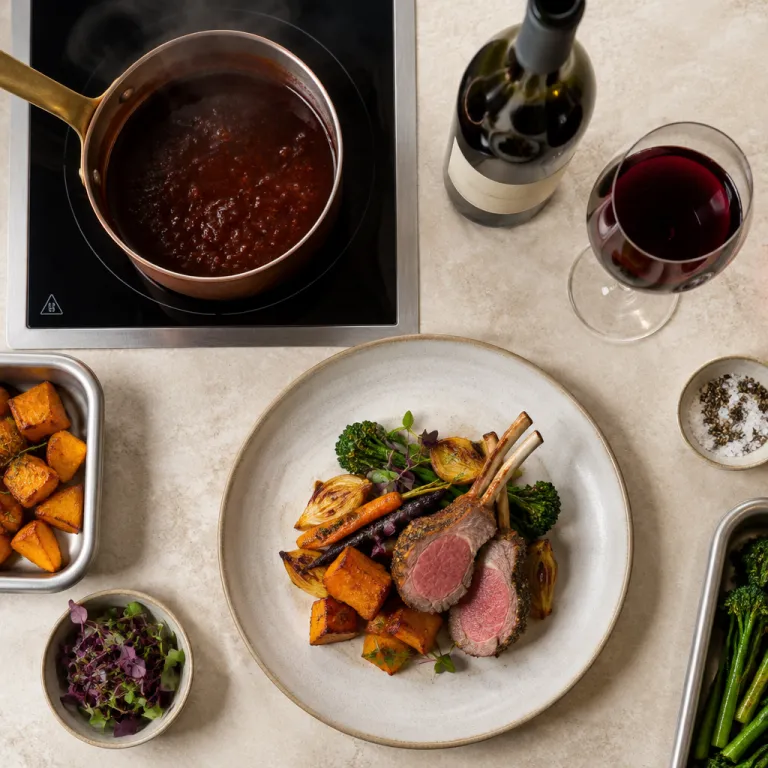
Why wine region hotel dining in New Zealand suits the business‑leisure traveller
Wine region hotel dining in New Zealand turns a routine work trip into something slower and more grounded. After a day of meetings on the North Island or South Island, stepping into a quiet estate restaurant where the cellar leads the conversation feels like a reset, and the short walk back to your hotel room removes any question about driving after wine tasting. For New Zealand travellers used to flying in and out of Auckland or Wellington on tight schedules, staying at wine hotels inside the vineyard gives back the evening, letting you move from laptop to pinot noir without leaving the property.
The winery hotel model is simple but powerful ; you stay on the estate, taste the zealand wine at the cellar door, then sit down to fine dining that has been built around those same wines. In the best wine hotels, chefs and sommeliers work as one équipe, designing menus where Central Otago pinot noir, Marlborough sauvignon blanc or a structured Hawke Bay syrah each have a dish that respects their character, and the result feels more like a conversation between vineyard and kitchen than a standard hotel dinner. For business‑leisure guests, that integration matters because it turns a necessary stay into a purposeful one, where every glass and plate earns its place.
Across New Zealand wine regions, from Waiheke Island to Queenstown and the Bay of Islands, the most compelling properties understand that the room is only half the story. A lodge or hotel in wine country must now offer a dining room that can stand beside the best restaurants in nearby cities, especially for guests who could just as easily stay in central Auckland hotels. When you choose a wine country property for your stay, you are effectively booking a table as much as a bed, and the hotels zealand that recognise this are the ones worth planning an entire weekend around.
Staying on the estate: when the vineyard is your lobby
Checking into a vineyard lodge changes your sense of time, because the day starts and ends among vines rather than traffic. In Marlborough, for example, many estate properties sit within flat, open valleys where rows of sauvignon blanc stretch for kilometres, and the walk from your hotel room to dinner might pass the very blocks that produced the zealand wine in your glass. That proximity is the essence of wine region hotel dining in New Zealand, and it is what separates a true wine country stay from a city hotel that simply stocks a good list of wines.
On Waiheke, staying at a vineyard hotel on Waiheke Island means the first photo of your trip is often taken from the terrace, with the Hauraki Gulf on one side and the estate’s vines on the other. Many Waiheke properties now offer packages where wine tasting, transfers from Auckland, and multi‑course fine dining are bundled with a two‑night stay, which suits business travellers who want to lock in costs and focus on the experience rather than logistics. When the last course finishes, you can simply walk a few metres back to your room, and that short distance is one of the quiet luxuries of wine hotels in this part of the North Island.
Further south, Central Otago and Queenstown bring a different mood, with rugged hills, cooler nights and pinot noir that has become shorthand for the region. Here, a lodge set above a vineyard often frames the landscape as carefully as the chef frames each plate, and the best properties understand that guests want both serious wine and a relaxed, unhurried stay. For those planning ahead, it is worth reading seasonal menu previews from trusted guides such as this overview of hotel dining menus changing with spring, because wine region kitchens in both the North and South Island tend to pivot sharply with new produce.
Hawke’s Bay, Marlborough and Central Otago: three very different tables
Hawke’s Bay has become the country’s most concentrated food and wine playground, with art deco Napier, coastal villages and inland vineyards all within an easy drive. Staying at a wine country hotel here means you can move from a morning meeting in town to an afternoon wine tasting at a nearby estate, then settle into fine dining that leans on local lamb, stone fruit and the best wine from surrounding vineyards. For New Zealand travellers, this density makes Hawke Bay ideal for a two‑night stay that feels generous without requiring a long trip.
Marlborough offers a different rhythm, with wide skies, river‑cut plains and a focus on sauvignon blanc that has carried the region’s name far beyond Aotearoa. Many hotels and lodges sit close to the main wine routes, so you can cycle between cellar doors by day and return to a property where the chef has built a menu around both aromatic whites and lighter pinot noir from nearby valleys. When you choose wine region hotel dining in New Zealand’s Marlborough, look for properties that treat the vineyard as more than a backdrop, integrating wines into sauces, pairings and even desserts rather than simply listing them by the glass.
Central Otago and Queenstown complete the triangle, offering dramatic landscapes that make every photo look like a postcard and every estate feel slightly removed from daily life. Here, wine hotels often double as small lodges, with owners present at service and a cellar that reflects both local producers and a few carefully chosen international benchmarks, and this mix suits business‑leisure guests who want authenticity without sacrificing polish. To understand why Hawke’s Bay in particular has become a reference point for winter gastronomy, it is worth reading this analysis of why Hawke’s Bay hotel dining leads the cold‑season food scene, then comparing how Marlborough and Central Otago respond with their own seasonal strengths.
Designing a two‑night wine and dine weekend that actually works
For a New Zealand‑based executive, the most effective wine country break is usually two nights in one region rather than a rushed loop across multiple wine regions. Start by choosing whether the North Island or South Island suits your schedule, then pick a single property where both the lodge and the restaurant meet your expectations for service, privacy and cellar depth. Once you have that anchor hotel, you can build a simple plan around one long dinner, one lighter evening and a handful of focused tastings rather than trying to tick off every estate.
If your meetings end in Auckland, Waiheke Island or Hawke’s Bay make obvious sense, because transfers are short and you can be at a vineyard hotel before sunset. Those based in the lower North might instead look to Wairarapa or Hawke Bay, while South Island travellers can weigh Marlborough against Queenstown and Central Otago, depending on whether they prefer sauvignon blanc and coastal breezes or pinot noir and alpine air. In each case, the key is to reserve your main fine dining experience for the middle night of your stay, leaving the first evening for a simpler meal and the final day for a relaxed lunch before travelling home.
When planning, pay attention to how each property talks about its restaurant, because the best wine hotels describe a clear philosophy rather than just listing dishes. Look for mentions of local suppliers, seasonal menus and a sommelier or wine director who can speak across multiple wine regions, not only their own estate, as this breadth usually signals a more thoughtful approach to pairing. If you are combining work and leisure, consider scheduling any remaining calls or emails for late morning, leaving afternoons free for wine tasting and evenings for unhurried dinners that justify choosing wine region hotel dining in New Zealand over a standard city stay.
How to recognise a serious wine‑region table (and avoid the tourist traps)
Not every restaurant attached to a vineyard or hotel in wine country deserves your limited nights away, so it pays to be selective. A serious dining room will treat the wine list as a living document, with depth across local wines, older zealand wine releases and a few international benchmarks that help frame the estate’s own bottles. You should see both sauvignon blanc and pinot noir represented in multiple styles, along with other varieties that reflect the region, and staff should be able to explain why a particular glass works with a dish in clear, confident language.
Service is another marker ; in the best properties, the team moves with ease between explaining the vineyard, the hotel and the wider region, and they are comfortable suggesting alternatives if a pairing does not suit your taste. Award winning credentials can be useful, but they are not everything, and many of the most satisfying meals in New Zealand wine country happen in smaller lodges where the owner is present and the atmosphere feels more like a generous home than a stage. When researching hotels zealand wide, pay attention to guest feedback about the restaurant specifically, because a property can have beautiful rooms yet offer only average food, which undermines the whole point of wine region hotel dining in New Zealand.
Location still matters, especially if you want to mix work and pleasure without long drives between meetings and meals. Properties near Auckland or the Bay of Islands suit those who need to stay close to major hubs, while more remote estates in Central Otago or Marlborough reward travellers who can spare the extra travel time with quieter nights and darker skies. If you are planning a small corporate celebration or intimate event during your stay, guides such as this overview of top Auckland hotels for refined gatherings can help you benchmark service levels before you commit to a particular property in wine country.
Beyond the glass: small details that elevate a wine‑country stay
The most memorable wine region hotel stays in New Zealand are often defined by details that never appear on a booking engine. It might be the way a lodge owner in Central Otago offers a quiet library stocked with books on local wine regions, or how a Marlborough estate leaves a handwritten note suggesting a sunrise walk through the vineyard before breakfast. These gestures signal that the property understands why you chose wine country in the first place, and they turn a standard hotel stay into something that feels tailored.
For business‑leisure travellers, practical touches matter just as much as romance, so look for strong Wi‑Fi, well‑lit workspaces and flexible breakfast hours that accommodate early calls. Many of the best wine hotels now offer small meeting rooms or quiet corners where you can work between tastings, which makes it easier to justify an extended stay in regions like Hawke Bay, Waiheke Island or Queenstown. When the workday ends, you can close the laptop, step outside for a final photo of the vines catching late light, then head to the dining room knowing that the cellar has already been curated around the estate and surrounding wine country.
As you compare properties across the North Island and South Island, remember that the aim is not to chase every famous label but to find one place where the hotel, vineyard and kitchen feel aligned. A smaller lodge with a focused list of zealand wine and a thoughtful menu can deliver more satisfaction than a larger hotel with a sprawling but unfocused offering, especially when your time away from home is limited. In the end, wine region hotel dining in New Zealand works best when dinner is the reason to book, the room is the quiet reward and the vineyard outside your window reminds you why you chose to stay among the vines rather than in town.
FAQ: wine‑region hotel dining in New Zealand
Is it better to stay at a vineyard hotel or in a nearby town?
Staying at a vineyard hotel or lodge usually offers a more immersive experience, because you can move directly from wine tasting to dinner without driving. Town hotels may give you more restaurant options, but they rarely match the sense of connection you get when the estate, cellar and kitchen are all part of the same property. For a short business‑leisure break, one well‑chosen wine country stay generally delivers more value than splitting nights between town and vineyard.
How many nights should I plan for a wine‑focused weekend?
Two nights is the sweet spot for most New Zealand travellers combining work and leisure in wine regions. This allows one full day for tastings and a long dinner, plus two lighter travel days at either end, without putting too much pressure on your schedule. A third night can be worthwhile in larger regions like Hawke’s Bay or Central Otago, but only if you can genuinely switch off from work.
Do wine‑region hotels cater well for solo business travellers?
Many wine‑region hotels in New Zealand are well set up for solo guests, especially those used to travelling for work. Look for properties that mention strong connectivity, in‑room desks and flexible dining options such as bar seating or smaller tasting menus, which can feel more comfortable when dining alone. Staff at serious wine country properties are usually adept at reading the room, offering conversation when welcome and space when not.
How far in advance should I book wine‑region dining and accommodation?
Booking several weeks ahead is sensible for most regions, particularly if you want a specific restaurant time or room type. In peak periods, popular estates in areas like Waiheke Island, Hawke’s Bay and Queenstown can fill months in advance, especially for weekends. If your trip dates are fixed because of business commitments, secure the hotel and dinner reservation before arranging tastings and other activities.
What should I look for on a wine‑region restaurant’s wine list?
A strong wine‑region restaurant list will highlight the estate’s own wines alongside other local producers, plus a few international bottles for context. Look for depth in key regional varieties such as sauvignon blanc in Marlborough or pinot noir in Central Otago, as well as a mix of current and older releases. Clear, informative descriptions and staff who can guide you through the options are usually better indicators of quality than sheer length of the list.