Why Māori cultural experience accommodation in New Zealand belongs on your shortlist
Māori cultural experience accommodation in New Zealand is no longer a side show to the main holiday. It has become one of the best ways for people based in Aotearoa to deepen their relationship with this land while still enjoying premium comfort and attentive guides. When you plan a trip now, the question is not whether to include Māori cultural experiences, but how to weave them into the stay so that culture, landscape and hospitality feel inseparable.
Across Te Ika a Māui and Te Waipounamu, luxury lodges and marae based stays are collaborating with local Māori communities to create stays where Māori history is told in the dining room, not just on a scheduled tour. These properties treat tikanga and te ao Māori as a living presence, with local hosts sharing stories of people and place alongside a carefully prepared hāngī meal or contemporary kai. For a New Zealand traveler used to driving past the brown heritage signs, this kind of cultural immersion turns a familiar region into somewhere layered, complex and quietly thrilling.
The most rewarding Māori led accommodation options respect tikanga first, then layer on design, spa rituals and thoughtful food and beverage. You might arrive for a weekend escape and leave with a working understanding of Te Tiriti o Waitangi, the story of Kupe and the significance of a single ancient kauri tree. These are not staged cultural experiences for passing tours, but carefully hosted stays where Māori guides and non Māori staff work together to ensure every visit feels both intimate and robustly authentic.
Rotorua’s geothermal heart: where spa luxury meets living Māori culture
Rotorua remains the clearest starting point for Māori cultural experience accommodation in New Zealand, especially if you want geothermal drama with your spa robe. Around the lake and its steaming springs, you will find properties that treat Māori cultural narratives as the organising principle, not a themed night added to the schedule. This is where a soak in a mineral pool can sit alongside kōrero about Ngāti Whakaue healing traditions, delivered by Māori guides who live nearby.
Wai Ariki Hot Springs and Spa on the shores of Lake Rotorua is a strong example, built around the legacy of Ngāti Whakaue and their long relationship with these springs and this park like lakeside setting. Here, the spa journey is framed as a cultural experience, with references to atua such as Tāne and the wider whakapapa of the people who have used these waters for generations. One guest described emerging from the final pool feeling “as if the whole day had been a gentle history lesson wrapped inside a spa treatment”. For a domestic traveler, it feels less like a resort and more like being invited into a carefully curated Māori village of wellness, where every treatment room and pool has a story attached.
Evenings in Rotorua can be spent at Mitai Māori Village, where Mitai Māori hosts combine kapa haka, a traditional hāngī meal and guided walks through native bush to glowworm lined streams. While this is a structured tour, it remains one of the best introductions to Māori culture for those who want clear explanations and well paced performances. Pairing a stay at a high end lodge or hotel with a Mitai experience, then heading south to a lakeside retreat such as the property featured in a recent review of an elegant Fiordland lodge, creates a satisfying North and South Island arc for any planned trip.
Northland’s ancient forests and treaty stories: staying close to Tāne Mahuta and Waitangi
Head north from Auckland and Māori cultural experience accommodation in New Zealand takes on a different texture, shaped by salt air, kauri forests and the politics of the Waitangi Treaty. In Te Tai Tokerau, the narrative is anchored by the Waitangi Treaty Grounds and the Bay of Islands, where the relationship between Māori and the Crown was first formalised. Staying nearby allows you to move beyond a quick visit and instead sit with the weight of those treaty grounds at dawn and dusk.
Many premium stays around the Bay of Islands now work with local Māori guides to offer private tours of the Waitangi Treaty Grounds, carving workshops and waka experiences on the harbour. A guided walk with a specialist in Māori history can turn a simple stroll into a layered exploration of how iwi have adapted and resisted over time. For those who want a deeper Kupe narrative, experiences linked to Footprints Waipoua and Manea Footprints of Kupe in Hokianga connect guests with stories of the first Polynesian navigator to reach these shores, often combined with a coastal stay that looks directly across the harbour he is said to have entered.
On the Kauri Coast, accommodation near Waipoua Forest brings you within a short drive of Tāne Mahuta, the most famous kauri tree in Aotearoa New Zealand. Guided night walks with local Māori people reveal the forest as a living cathedral, with Tāne Mahuta framed as both ancestor and ecological anchor. Choosing a lodge that partners with these tours ensures your spend supports conservation of kauri and the livelihoods of Māori villages nearby, rather than treating the forest as just another park to tick off.
Marae stays and cultural lodges: when the accommodation is the experience
For travelers who want Māori cultural experience accommodation in New Zealand to be the centrepiece rather than the side act, marae based stays and cultural lodges are compelling. These are places where you sleep under carved ancestors, share a hāngī meal with hosts and wake to the sound of karanga or waiata rather than a hotel alarm. The comfort level is often more communal than plush, yet the cultural experiences are richer than many five star properties can offer.
Hinerupe Marae on the East Coast, Te Hana Te Ao Mārama north of Auckland and Kohutapu Lodge & Tribal Tours near Murupara all offer structured stays that combine pōwhiri, storytelling and shared kai. Each works closely with local Māori people to ensure tikanga is upheld while still welcoming manuhiri who may be new to marae protocol. One host summed it up simply: “We are not a show, we are a community opening our doors.” These stays are not about ticking off a Māori village on a tour list, but about spending time with living Māori communities who are generous with their history and honest about contemporary challenges.
For those who prefer a more traditional lodge format, Kohutapu Lodge blends lakefront cabins with hosted cultural experiences, including guided tours to nearby marae and bush walks with Māori guides. Here, the line between accommodation and activity blurs, as your visit might include helping prepare food, listening to kōrero around the fire and learning basic te reo phrases. When you plan a trip that includes both a marae stay and a high end city hotel, you start to understand how Māori cultural narratives can sit comfortably alongside the country’s most polished hospitality.
Choosing genuine immersion: how to read between the lines when you book
Not every property marketing itself as Māori cultural experience accommodation in New Zealand offers the same depth of engagement. Some hotels still treat Māori culture as a performance scheduled for tour buses, while others embed it into governance, revenue sharing and daily operations. As a New Zealand based traveler, you are well placed to ask sharper questions and reward the operators doing the harder, slower work.
Look for signs that local Māori communities are genuine partners, not just suppliers of entertainment or occasional guides. Does the property name its iwi relationships, reference specific marae or mention how income from cultural experiences supports education or conservation projects? When you see collaborations with organisations such as Mitai Māori Village, or with initiatives connected to Footprints Waipoua, Manea Footprints of Kupe or Waipoua Forest guardians, you can usually expect a more respectful approach.
Reading reviews with a critical eye also helps, especially on curated platforms that focus on honest, unsponsored commentary. When a reviewer talks about conversations with local Māori hosts, nuanced explanations of Te Tiriti o Waitangi or the chance to share a hāngī meal with whānau, that signals a deeper level of engagement. If the only mentions of Māori villages or Māori culture relate to a single tour or staged haka, you may want to keep searching for a stay where the stories run through the whole property.
Design, dining and storytelling: weaving Māori culture into premium stays
At the luxury end of Māori cultural experience accommodation in New Zealand, the most interesting properties are those where design, dining and storytelling work together. You might check into a lakeside suite and find the artwork curated by local Māori artists, the minibar stocked with indigenous ingredients and the spa menu referencing traditional healing practices. This is not about themed décor, but about acknowledging that Māori culture is the original design language of Aotearoa.
Dining is where many properties now excel, responding to the strong interest in local cuisine that often comes intertwined with cultural context. A thoughtfully prepared hāngī meal can sit alongside contemporary dishes using horopito, kawakawa or kūmara, with hosts explaining how these ingredients relate to seasonal cycles and regional stories. When Māori guides or chefs share their own experiences of growing up in Māori villages or urban marae communities, the meal becomes a form of oral Māori history as much as a culinary event.
Storytelling continues beyond the restaurant, whether through guided tours of on site art collections, evening talks about the Treaty Grounds and Waitangi Treaty, or short walks that highlight native planting and references to Tāne and the wider forest. Some lodges commission carvings that reference Tāne Mahuta or local kauri, using sustainably sourced timber rather than cutting any living kauri tree. Others integrate curated reading lists and in room media that point guests towards deeper resources, while a growing number of Auckland hotels for intimate celebrations show how even city properties can create space for cultural narratives within a premium stay.
Planning your own Māori led itinerary as a New Zealand based traveler
When you plan a trip around Māori cultural experience accommodation in New Zealand, start with the stories that interest you most. Are you drawn to geothermal healing in Rotorua, the political history of the Bay of Islands or the spiritual weight of Waipoua Forest and its towering kauri? Let those anchors shape your route, then layer in stays that connect you with local Māori hosts rather than just passing tours.
A classic loop for North Island based travelers might include a night or two in Rotorua with a visit to Mitai Māori Village, followed by time in the Bay of Islands close to the Waitangi Treaty Grounds. From there, you could drive to Hokianga for experiences linked to Footprints Waipoua and Manea Footprints of Kupe, then continue to Waipoua Forest for a guided walk to Tāne Mahuta with local Māori guides. Each stop offers different cultural experiences, yet all contribute to a coherent understanding of how Māori culture shapes this part of Aotearoa New Zealand.
South Island based travelers can build Māori elements into existing favourites, adding a Rotorua or Northland leg onto a Fiordland or Central Otago escape. Even if your main goal is a remote lodge, a night at a marae or cultural lodge on the way can reframe the entire journey. Whatever route you choose, remember the practical advice shared by cultural operators themselves: "Book in advance to secure accommodation.", "Respect local customs and traditions.", "Participate actively in cultural activities.", "Be open to learning and experiencing new cultures."
Key figures shaping Māori cultural experience accommodation in Aotearoa
- Māori cultural tourism businesses now operate across multiple regions of New Zealand, giving travelers a wide choice of hosted experiences, from marae stays to luxury lodges with strong iwi partnerships.
- Significant numbers of visitors engage with Māori cultural experiences each year in Aotearoa, underlining both the economic importance of this sector and the need for careful, respectful hosting.
- Many Māori owned or co designed tourism businesses operate year round, offering accommodation and tours in all seasons, so domestic travelers can plan trips outside peak holiday periods and still access high quality hosting.
- Growing interest in authentic cultural experiences has led to increased collaboration between tourism operators and Māori communities, which in turn supports sustainable tourism practices and long term cultural preservation.
FAQ about Māori cultural experience accommodation in New Zealand
What is a hāngī meal and where might I try one while staying overnight?
A hāngī meal is a traditional Māori method of cooking food using heated rocks buried in a pit oven, which creates a distinctive smoky, earthy flavour. Many cultural lodges and marae based stays, as well as providers such as Mitai Māori Village in Rotorua, include a hāngī meal as part of their evening programme. When you book Māori cultural experience accommodation in New Zealand, check whether a shared hāngī is offered and whether it caters for different dietary needs.
Can I stay overnight at a marae as an independent traveler from within New Zealand?
Yes, some marae offer overnight stays with cultural experiences, often packaged as group visits that include pōwhiri, storytelling and shared meals. Places such as Hinerupe Marae or Te Hana Te Ao Mārama work with both domestic and international guests, but bookings must always be made in advance. It is important to follow host guidance on tikanga, including sleeping arrangements, dress and behaviour in communal spaces.
Are Māori cultural experiences suitable for children and multi generational trips?
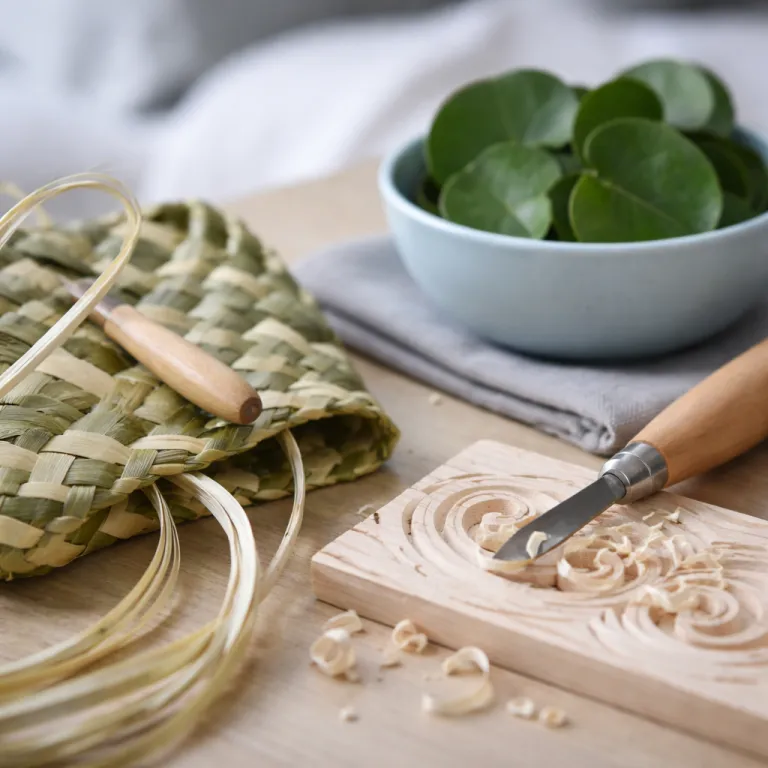
Māori cultural experiences are generally family friendly and educational for all ages, making them ideal for extended whānau holidays or school holiday trips. Performances, guided walks and interactive workshops help younger travelers engage with Māori culture in a hands on way. When choosing Māori cultural experience accommodation in New Zealand, look for properties that mention specific activities for tamariki, such as carving, weaving or storytelling sessions.
Do I need to book in advance for Māori cultural accommodation and tours?
Yes, advance booking is recommended to secure your spot, especially for marae stays and small scale cultural lodges that host limited numbers of guests. Many operators require pre booking so they can plan catering, staffing and cultural protocols appropriately. Booking early also gives you time to ask questions about the depth of cultural content, the involvement of local Māori communities and any specific expectations of visitors.
Is photography allowed during cultural performances and on marae?
Policies vary; it is best to ask the host before taking photos, particularly during formal ceremonies or in sacred spaces. Some Māori guides will invite photography at certain points, while others may request that cameras stay away during key moments such as pōwhiri or karakia. Respecting these boundaries is a core part of engaging with Māori cultural experience accommodation in New Zealand in a way that honours both hosts and ancestors.