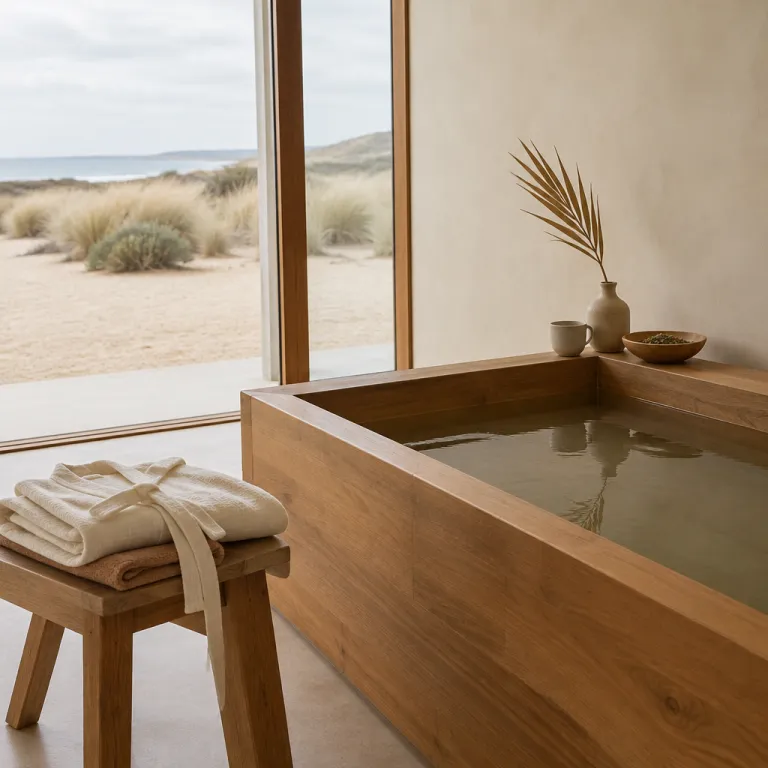
Why spring in Aotearoa is the moment for a real reset
Spring in Aotearoa softens the edges of winter and opens the door to a quieter kind of wellness. This is the season when a spring wellness retreat New Zealand wide can actually support sleep, gentle movement and unhurried meals rather than a packed schedule of classes that leaves you more wired than when you left. For a couple based in Auckland or elsewhere in New Zealand, the aim is simple; choose wellness retreats that feel like a deep exhale, not a performance.
Across the country, the best wellness experiences lean into the landscape instead of fighting it with air conditioned studios and fluorescent lighting. Mild days invite you outside for slow walks through native bush, while cool evenings make hot tubs and hot springs feel like a reward rather than a gimmick, and this balance is what separates a meaningful wellness retreat from a glossy spa day. When you plan any retreat in New Zealand, look for accommodation where the hosts talk about the forest, the river and the garden before they mention the treatment menu, because that usually signals a New Zealand wellness philosophy grounded in place.
Think of your stay as a retreat New Zealand style, where the rhythm of the day follows the light and the weather. A genuine wellness retreat will give you space to sleep in, wander after breakfast and share long plant based meals included in your package instead of hustling you between programs with a chevron of branded tote bags. When you browse wellness retreats in New Zealand online, filter for smaller properties in the South Island and North Island that highlight walking tracks, hot springs access and forest bathing rather than endless lists of scheduled activities, because less programming often leads to more restoration.
Thermal soaks and luxury eco lodges that actually restore you
New Zealand’s geothermal spine comes into its own in spring, when the air is crisp enough that every step from your room to a hot tub feels like part of the ritual. A spring wellness retreat New Zealand travellers rate highly often includes some form of outdoor bathing, whether that is private hot tubs tucked into native bush or shared hot springs framed by views of the Southern Alps. When you assess any wellness retreat, ask how easy it is to move between your accommodation, the water and the dining spaces, because seamless flow matters more than another list of wellness programs.
On the West Coast road between Lewis Pass and the Tasman region, Maruia Hot Springs has become a reference point for couples who want a luxury eco soak without the scene. Here the focus is on simple wellness experiences like thermal bathing, forest bathing and unhurried meals, and the property operates year round so you can return in another season if the spring reset works for you. When you see the name Maruia Hot Springs in any retreat New Zealand listing, check whether the stay includes access to the full bathing circuit, because that is where the real wellness value lies rather than in add on sound healing sessions.
Further north, the Tasman and Nelson regions offer a quieter style of New Zealand wellness, with lodges that pair hot tubs or a single hot tub style plunge pool with access to Abel Tasman tracks and sheltered bays. Many of these wellness retreats are luxury eco properties that treat the forest as the main spa, offering simple day itineraries built around walking, soaking and shared plant based meals included in the tariff. If conservation focused travel matters to you, look for South Island and North Island stays that foreground restoration projects and local ecology in their wellness experiences, and use guides such as the New Zealand stays putting conservation on the itinerary to cross check the marketing claims.
Movement, nature and the art of doing almost nothing
For a couple planning a spring wellness retreat New Zealand wide, the most powerful shift often comes from movement outdoors rather than another studio class. In regions like Arrowtown and the wider Arrow basin, you can base yourselves at a quiet lodge, walk from the door into gold tinged willows and return to hot tubs that look straight at the Southern Alps. This kind of retreat New Zealand style lets you build your own day around walking, reading and long meals instead of being marched through tightly timed wellness programs.
On the South Island’s wild edges, from the Tasman hinterland to Fiordland gateways, many lodges now describe their stays as wellness retreats even when the real strength lies in access to native bush and coastline. Read the fine print; if the emphasis is on forest bathing, simple wellness experiences and flexible meal times, you are more likely to get the restorative retreat you want than if the copy leans heavily on sound healing, elaborate gift packs and branded chevron yoga mats. For couples travelling with children, some New Zealand hotels where children explore the outdoors can double as low key wellness retreats, because kids are outside most of the day while adults reclaim quiet pockets of time.
On the North Island, a short drive from Auckland places you in landscapes where New Zealand wellness is about salt air and green hills rather than marble lobbies. Choose accommodation that offers easy access to beaches or bush tracks, a hot tub or simple hot tubs under the stars and meals included that highlight local produce without overcomplicating the menu. When you read about wellness retreats across New Zealand, prioritise properties that talk about sleep quality, noise levels and daylight in rooms, because these details shape your experience more than any single spa treatment.
How to read wellness marketing without falling for the clichés
Wellness marketing in New Zealand has become fluent in buzzwords, so a thoughtful couple planning a spring wellness retreat New Zealand wide needs to read between the lines. When a property lists endless wellness programs, ask how many guests they take, how rigid the timetable is and whether you can opt out of most activities without wasting your investment. A strong New Zealand wellness offer usually highlights sleep, unstructured time and access to nature first, then layers in optional wellness experiences like sound healing or guided forest bathing for those who want them.
Look closely at what is included in the rate, especially for remote South Island lodges where meals and transfers add up quickly. If a retreat advertises meals included, check whether those meals are genuinely plant based focused or simply offer one token plant based option alongside standard fare, because food is a central part of any wellness retreat. For couples who care about design and service, independent guides such as the explanation of which New Zealand stays hold the Michelin Key distinction can help you separate marketing gloss from properties that consistently deliver a high calibre experience.
Pay attention to small signals; a thoughtful welcome gift might be a thermos for tea on your day walk rather than another branded chevron tote, and that tells you the retreat New Zealand hosts understand how you will actually use your time. Properties like Maruia Hot Springs that operate year round tend to refine their wellness retreats over each year, learning from guest feedback about what feels restorative and what feels like pressure. When you read reviews or readers choice roundups, focus on comments about staff warmth, noise levels at night and the ease of moving between hot springs, rooms and dining, because these practical details shape whether your retreat feels like a genuine reset or just another busy weekend away.
FAQ
What should a couple prioritise when choosing a spring wellness stay in New Zealand ?
Focus on sleep quality, access to nature and flexible scheduling rather than long lists of classes. Look for accommodation with quiet rooms, comfortable beds and easy access to walking tracks or beaches, plus hot tubs or hot springs that you can use without booking complicated programs. Check that meals included suit your preferences, especially if you want mostly plant based food and unhurried dining.
Are thermal springs essential for a good spring wellness retreat in New Zealand ?
Thermal bathing is not essential, but it can deepen the sense of reset in spring when days are mild and evenings are cool. If you enjoy water, consider retreats across New Zealand that offer outdoor hot tubs, hot springs or simple hot tub plunge pools with views of native bush or the Southern Alps. The key is that access is easy and relaxed, so you can soak when it suits your day rather than at tightly controlled times.
How can I tell if a wellness programme has real substance ?
Read beyond the marketing language and look for clear information about group sizes, optional versus mandatory activities and the balance between structured time and free time. A strong wellness retreat will explain its programs in plain language, emphasise rest and movement outdoors and avoid overpromising dramatic life changes in a few days. Reviews that mention staff care, thoughtful pacing and realistic expectations are usually more reliable than generic praise.
Is the South Island better than the North Island for wellness retreats ?
The South Island excels for dramatic landscapes, native bush and quieter roads, which suit couples seeking seclusion and forest bathing. The North Island offers easier access from Auckland and Wellington, plus a wider range of hot springs and coastal walks, which can be ideal for shorter breaks. A spring wellness retreat New Zealand wide can work in either island; choose based on travel time, your preferred scenery and whether you want more or less structure in your stay.
How far in advance should I book a spring wellness stay ?
For popular South Island and North Island retreats, booking several months ahead is wise, especially if you want specific dates or room types. Properties that operate year round may have more flexibility, but spring weekends can still fill quickly as locals plan their first post winter escape. If your dates are fixed, secure accommodation early, then refine details like wellness experiences and meals closer to your stay.
Sources
Tourism New Zealand ; Department of Conservation (DOC) ; New Zealand Geothermal Association.