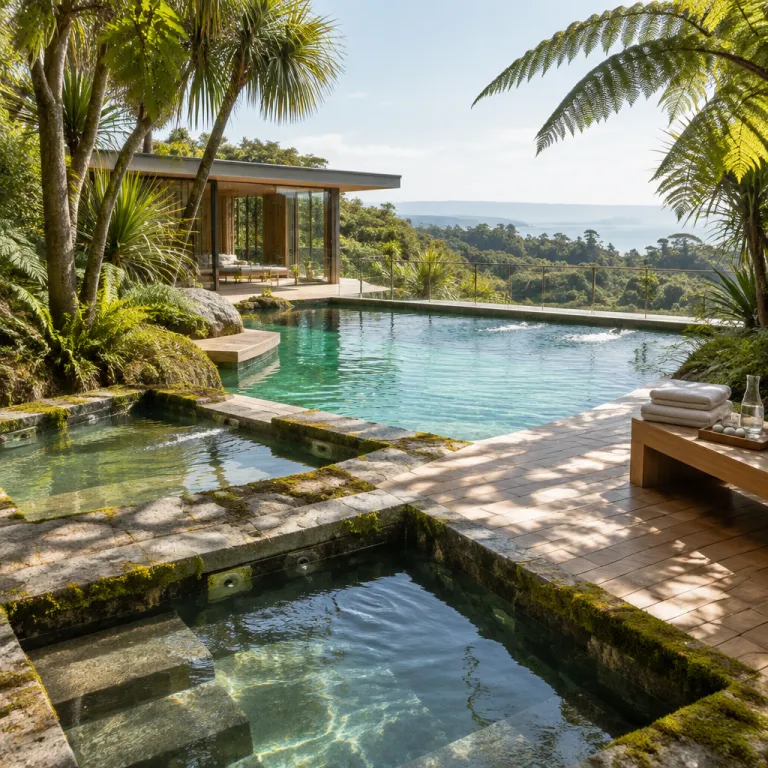
From hotel spa menu to full hydrotherapy ritual
Across Aotearoa, the phrase “hotel bathhouse hydrotherapy New Zealand” now signals something far richer than a token spa tucked beside the gym. Luxury and premium properties are designing full spa wellness journeys where hot pools, cold plunge options and carefully sequenced treatment rooms create a bathing experience that feels almost ceremonial. For a solo person booking a retreat, this shift means you can relax into a structured wellness circuit rather than improvising your own routine in a crowded pool.
Hydrotherapy in these hotels usually revolves around contrast bathing, moving from a hot tub or hot springs style soak into a bracing cold plunge, then back to warmth in a sauna or steam room. The science is simple enough — alternating temperatures can support circulation, muscle recovery and overall health wellness — but the best wellness experiences elevate it with design, timing and quiet guidance. When you see a property emphasising its hotel bathhouse hydrotherapy New Zealand credentials, look for clear explanations of the sequence, suggested durations for each pool and whether staff are on hand in the relaxation lounge to answer questions.
Many New Zealand lodges now treat water as the headline act, not a side note to massage or facial spa treatments. You might move from a wood fired hot tub under the stars to an indoor pool framed by rock and timber, then finish in a dim relaxation lounge with herbal tea and views of a nearby lake or river. For the independent traveller, this kind of hotel bathhouse hydrotherapy New Zealand experience offers structure without pressure, letting you slow reconnect with your own rhythm while still feeling gently looked after.
Geothermal heartlands: Rotorua, Taupō and the culture of the soak
Rotorua and Taupō sit at the geothermal heart of hotel bathhouse hydrotherapy New Zealand, where hot springs rise naturally and steam drifts across lakeside reserves. Here, many luxury hotels and lodges build their spa wellness offerings around mineral rich hot pools that draw directly from the ground, sometimes complemented by cold plunge tubs fed with fresh lake water. When you book, ask whether the hot tub or pool is genuinely geothermal or simply heated, because that detail shapes both the experience and the story you are stepping into.
Properties in these regions often combine private pools with shared bathing zones, giving solo travellers the choice between quiet retreat and low key social soak. A typical day might start with an early morning soak as mist lifts off the lake, followed by a massage in calm treatment rooms and a spell in a dry sauna to relax tired muscles after a hike. Between sessions, you can drift through a relaxation lounge, sip water infused with citrus or native herbs and feel your overall wellbeing settle into a slower, more grounded pace.
If you are planning a wellness focused city break before or after the geothermal regions, some Auckland properties now offer serious spa, pools and lap lanes that suit regular swimmers. A good reference point is this guide to Auckland hotels with spa and lap swimming for wellness focused travellers, which highlights stays where the pool is designed for more than a quick splash. Linking a geothermal retreat with an urban spa wellness stop creates a layered hotel bathhouse hydrotherapy New Zealand itinerary that feels both indulgent and purposeful.
Designed bathhouses: saunas, cedar tubs and panoramic views
Beyond the geothermal belt, a new generation of lodges and hotels is embracing hotel bathhouse hydrotherapy New Zealand as a design language in its own right. Architects are carving out spa spaces where wood fired hot tubs sit on decks above a lake, and where hot pools are edged with natural rock to echo nearby rivers and waterfalls. The aim is not just relaxation but a sense of place, with panoramic views that keep you anchored in the landscape even as you sink into warm water.
Nordic influenced circuits are increasingly common, pairing dry sauna heat with cold plunge pools and open air decks where you can cool down in the breeze. You might move from a cedar hot tub to a cold pool, then stretch out in a relaxation lounge with floor to ceiling windows framing views lake or mountain ridgelines. These carefully choreographed wellness experiences suit solo travellers who appreciate structure, because the sequence of hot, cold and rest is clearly laid out yet never feels prescriptive.
Many high end properties now integrate their hydrotherapy zones with more traditional spa treatments, so you can book a massage or facial as part of a longer day spa ritual. A helpful starting point is this broader guide to luxury hotels with spa experiences in New Zealand, which outlines how different lodges approach health wellness and water led design. When you read between the lines, you will quickly see which places treat their pool as a token feature and which have built a true hotel bathhouse hydrotherapy New Zealand retreat around it.
Solo friendly by design: why water led stays suit independent travellers
For a solo explorer, a hotel bathhouse hydrotherapy New Zealand stay offers something rare in luxury travel — a social setting that never demands small talk. You can move between pools, saunas and hot tubs entirely at your own pace, choosing a private pool session when you want solitude or a shared hot springs soak when you feel like gentle background company. Unlike restaurant centric trips, where every table for one can feel performative, a water focused retreat normalises being a single person moving quietly through the day.
Many properties now design their spa wellness spaces with solo guests in mind, offering clearly signed zones, separate male and female changing areas and mixed relaxation lounges where everyone is wrapped in the same robe. Staff are used to guests arriving alone for massage or hydrotherapy sessions, and the best teams will outline the bathing experience without fuss, so you can relax without feeling conspicuous. Look for hotels that allow flexible day spa access, because that lets you build your own rhythm of soak, rest and treatment across several days.
Water led stays also work well if you occasionally travel with family or friends but still crave solo time. You might spend the morning in shared pools with the family, then book a private wood fired hot tub session later as your own retreat, using the panoramic views as a quiet reset. In regions like Fiordland, where a side trip to Milford Sound is often the headline, choosing a hotel bathhouse hydrotherapy New Zealand base with strong wellness experiences means the time between excursions becomes just as restorative as the scenery itself.
What to ask before you book a hydrotherapy focused stay
When you are choosing a hotel bathhouse hydrotherapy New Zealand property, the questions you ask before booking will shape your stay. Start with the basics — is the water in the hot pools geothermal or heated, are there genuine cold plunge options and how many treatment rooms are available for massage or other spa treatments. Clarify whether access to the spa, pools and relaxation lounge is included in your room rate or charged as a separate day spa fee, because that affects how freely you will use the facilities.
Privacy is another key consideration, especially for solo travellers who value a quiet retreat. Ask whether there are private pools or hot tubs that can be reserved for a set time, and whether those spaces offer real seclusion or sit close to main walkways with partial views. If panoramic views of a lake, river or alpine valley matter to you, request photos of the actual pool deck rather than relying on generic property images that might show Milford Sound or another landmark without clarifying where you will actually soak.
Finally, think about how the hydrotherapy offering fits into your wider wellbeing goals and travel style. If you want to slow reconnect with your body after a busy work period, look for health wellness programmes that combine water based rituals with gentle movement, good sleep support and nourishing food — you can cross reference with curated guides such as hotels with exceptional dining across New Zealand. If you are more interested in occasional wellness experiences than a full immersion, a hotel with a strong pool, a simple sauna and access to nature walks might be the perfect place, giving you freedom to shape each day around both activity and rest.
FAQ
How is a hotel hydrotherapy circuit different from a standard hotel spa?
A hydrotherapy circuit in a hotel bathhouse hydrotherapy New Zealand setting is built around water temperature changes rather than just individual treatments. You move through hot pools, cold plunge tubs, saunas and relaxation lounges in a specific sequence designed to support circulation and recovery. A standard spa may focus more on standalone massage or beauty treatments without this structured bathing experience.
Is geothermal water better than heated water for wellness?
Geothermal hot springs bring naturally warm, mineral rich water to the surface, which many guests value for its sense of authenticity and connection to place. Heated pools can still deliver excellent relaxation and hydrotherapy benefits, especially when combined with good design, saunas and cold plunge options. The choice comes down to whether you prioritise the geological story and minerals of geothermal water or the flexibility of well controlled heated pools.
What should a solo traveller look for in a hydrotherapy focused hotel?
Solo travellers should prioritise clear information about private pools or hot tubs, mixed and single gender spaces and how busy the spa wellness area tends to be. Look for properties that normalise solo use of treatment rooms and relaxation lounges, with staff who explain the bathing experience without fuss. Flexible day spa access and quiet zones with panoramic views can make it easier to relax without feeling on display.
Can families use hotel bathhouse hydrotherapy facilities in New Zealand?
Policies vary, but many hotels with a strong hotel bathhouse hydrotherapy New Zealand focus offer family friendly time slots alongside adults only sessions. Some pools or hot springs areas may have age limits, especially where temperatures are very hot or where a calm retreat atmosphere is prioritised. If you are travelling with family, ask about dedicated family hours, depth of each pool and whether there are separate relaxation lounges for quieter adult use.
How many hydrotherapy sessions should I plan during a short stay?
For a two or three night retreat, many guests find that one structured hydrotherapy circuit per day strikes a good balance between impact and rest. You might schedule a longer evening soak with sauna and cold plunge on arrival, then shorter morning sessions in the pool or hot tub on subsequent days. Listen to your body, stay hydrated and treat hydrotherapy as one part of a broader wellbeing plan that includes sleep, movement and time outdoors.