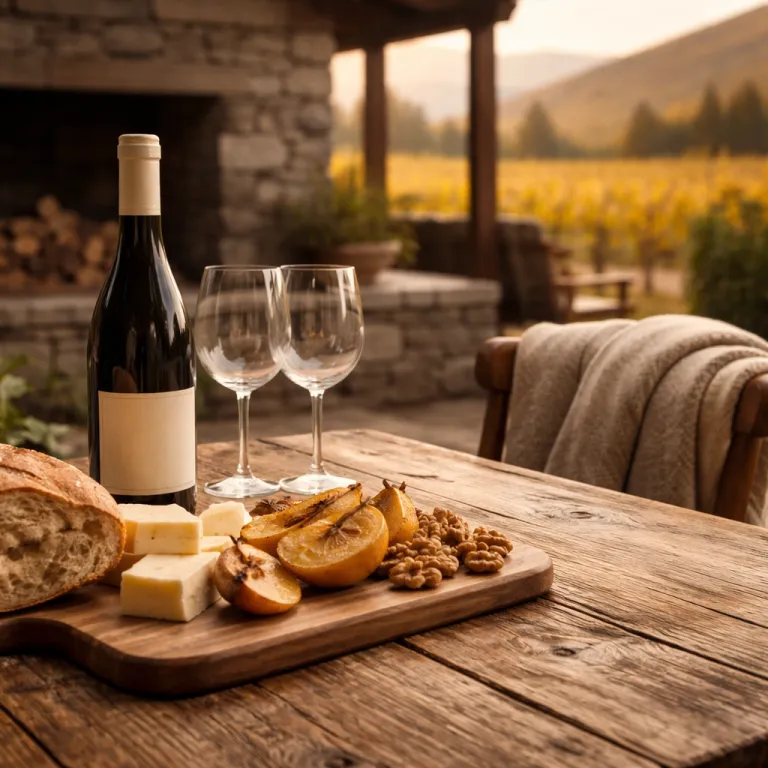
Central Otago in May: fireside tables and pinot noir in full voice
May in Central Otago is when the region leans into its most seductive season. Gold and copper leaves frame every road and river, and the best hotel dining rooms respond with fireside menus built around the harvest and the depth of Central Otago autumn dining wine. For a couple driving down from the North Island or elsewhere in Aotearoa New Zealand, this is the moment when a stay is defined as much by the glass of pinot noir in hand as by the view from the suite.
Central Otago is known for pinot noir wines and stunning landscapes. When you base yourself in the heart of this Otago central landscape, you are staying in New Zealand’s premier pinot noir region, where around 130 wineries and growers work the extremes of the South Island climate to produce some of the country’s most expressive wines, according to New Zealand Winegrowers’ 2023 regional vineyard data. Autumn offers seasonal menus and wine events, so hotel teams collaborate closely with nearby Otago wineries to pour both flagship pinot noir and more experimental wines central to the local identity, from whole-bunch ferments to limited single-vineyard bottlings.
The appeal for New Zealand couples is simple yet powerful. You can check into a lakeside lodge near Wānaka or Queenstown, then spend your days following the road through valleys of vines and your evenings in dining rooms where chefs plate Bannockburn lamb beside Bannockburn pinot. A typical May menu might match slow-braised Central Otago venison with a darker, more structured pinot noir, or roasted root vegetables and wild mushrooms with a lighter, perfumed style. This is not about ticking off every cellar door or every Otago winery, but about choosing a few key experiences that align with your pace, your palate and the kind of New Zealand wine stories you want to bring home.
Where to stay: lodges that understand autumn, from Queenstown to Bannockburn
The most rewarding Central Otago autumn dining wine stays begin with a property that treats its restaurant as a destination, not an afterthought. Around Queenstown and along the road towards Bannockburn, several luxury lodges now build their May packages around chef led menus, curated Otago wines and late check outs so you can linger over that final coffee by the fire. When you are comparing options on my-new-zealand-stay.com, focus on places where the wine list reads like a map of Central Otago rather than a generic New Zealand selection, with producers from Gibbston, Bannockburn, Cromwell and Bendigo all represented.
Queenstown itself is evolving fast as a premium base for South Island travellers who want both alpine drama and serious dining. The town’s growing stable of high end hotels is increasingly anchored by ambitious kitchens, and the confirmation of a St. Regis property in Queenstown, announced in 2023 with an opening targeted for the middle of the decade, signals how global brands now take the region’s gastronomy seriously, as you can see in this analysis of luxury hotel developments in Queenstown. From here, you can day trip to Gibbston Valley or Chard Farm, then return to a dining room where the sommelier pours Otago wines beside classics from France to show how pinot noir from each region behaves with the same dish, perhaps contrasting a Central Otago pinot with a Burgundy village wine.
Further along the road, Bannockburn rewards couples who prefer a quieter South Island base with serious wine credentials. Carrick Winery & Restaurant sits above Lake Dunstan, pairing organic wines with a seasonal menu that feels perfectly tuned to the cool evenings and long lunches of May, and Carrick winery staff are adept at guiding guests through both current releases and cellar only bottles, often referencing New Zealand Winegrowers’ regional tasting notes. Nearby valley winery options and other Otago wineries give you a compact circuit of cellar doors, while the historic stone buildings of Clyde and the refined dining at Olivers Restaurant add another layer of Central Otago experience to an already rich stay.
Fireside dining and cellar doors: how to structure your autumn days
A well planned Central Otago autumn dining wine itinerary balances cellar door visits with long, unhurried meals back at your hotel. Start with a late morning tasting at a valley winery in Gibbston Valley or at Chard Farm, where you can compare pinot noir from different blocks and understand how the river terraces and elevation shape the wines. Staff will often talk through recent vintage conditions, referencing harvest dates and rainfall figures, so you can taste how a warmer year differs from a cooler one. Then follow the road back towards Queenstown or Bannockburn as the light softens, ready for a fireside dinner that feels like an extension of the vineyard conversation rather than a separate activity.
From a Queenstown base, it is easy to weave in both wine and water. One afternoon might see you cruising on Lake Wakatipu before a tasting flight of Otago wines at a local bar, another might involve a drive to Lake Dunstan for lunch at Carrick Winery & Restaurant followed by a walk along the river trail. If you are curious about how the region is rethinking tourism, the story of Queenstown’s electric jet boat testing shows how sustainability is starting to sit alongside luxury in the South Island narrative, with low-emission experiences increasingly complementing traditional adventure tourism.
North of Cromwell, the Cloudy Bay Shed at Northburn has become a reference point for seasonal dining in the wider Central Otago region. Their Taste of Autumn menu is a sharp example of how wineries now treat food as a full partner to their wines, not just a platter on the side, and Cloudy Bay’s team are adept at framing each glass within the broader story of New Zealand wine. A typical course might pair roasted pumpkin, hazelnuts and goat’s cheese with a Central Otago chardonnay before moving to pinot noir with game. As one local winemaker put it during a recent tasting, “May is when the vineyards quieten down and the cellars open up,” and a day that moves from a structured tasting at the Shed to a more relaxed evening back at your lodge, perhaps with a glass of pinot noir from Felton Road or another renowned Otago winery, captures the rhythm that makes May here so compelling.
Pinot noir, lakeside views and practical planning for a May escape
Central Otago autumn dining wine is inseparable from the landscapes that shape it, and your choice of hotel should lean into that connection. In Wānaka, lakeside properties with west facing rooms give you front row seats to sunsets over Lake Wānaka, while in Queenstown the interplay of Lake Wakatipu and the Remarkables creates a backdrop that changes by the minute. Couples who value quiet mornings might prefer Wānaka or Cromwell, while those who want nightlife and a broader range of New Zealand wine bars will gravitate towards Queenstown for a livelier Central Otago May pinot noir weekend.
When it comes to what you drink, focus on pinot noir but do not ignore the supporting cast. Many Otago wineries now produce excellent chardonnay and aromatic whites that shine with autumn produce, and a thoughtful sommelier will often suggest a Central Otago white with your first courses before moving to a more structured pinot noir for the main. If you are planning a longer South Island road trip, use resources like this guide to elegant New Zealand stays to link your Central Otago nights with other South Island or North Island stops, building a broader New Zealand wine itinerary that might also include Marlborough or Martinborough.
May weather in the South Island is cool and changeable, so pack layers, a good coat and shoes that can handle both winery gravel and lakeside paths. Book reservations early, and dress in layers for variable weather. Aim for three to four nights if you want to combine serious cellar door time with slow mornings and at least one long lunch at a place like Carrick winery or the Cloudy Bay Shed, and remember that the most memorable Central Otago experience often comes not from racing between every Otago winery, but from returning to a favourite cellar door or restaurant for a second, more relaxed visit that lets you explore back-vintage bottles or limited-release wines.
FAQ
Why is Central Otago so highly regarded for pinot noir ?
Central Otago sits inland on the South Island with a continental style climate, which means hot summers, cold winters and a long, dry autumn that suits pinot noir. The combination of schist based soils, low rainfall and significant diurnal temperature shifts helps grapes ripen slowly while retaining acidity and fine tannins. According to New Zealand Winegrowers’ 2023 vineyard report, Central Otago accounts for a substantial share of the country’s premium pinot noir plantings, which is why many wine professionals consider it one of the most distinctive pinot noir regions in New Zealand and beyond.
How many wineries can I realistically visit in a day ?
Even though there are more than one hundred wineries across Central Otago, a comfortable day usually involves three to four cellar doors at most. This pace allows time for proper tastings, conversations with staff and a relaxed lunch at a winery restaurant such as Carrick Winery & Restaurant or the Cloudy Bay Shed. Trying to fit in more visits often leads to rushed experiences and less appreciation of the wines and the landscape, especially if you are also driving between Queenstown, Cromwell and Bannockburn.
Is May a good time for a Central Otago food and wine trip ?
May is one of the best months for a Central Otago food and wine escape because it combines autumn colours, cooler evenings and seasonal menus built around the harvest. Many restaurants and wineries update their offerings at this time, with special events and pairings that highlight local produce and wines. You also avoid the peak summer crowds, which makes it easier to secure reservations at popular dining rooms and cellar doors, and gives you more time to talk with winemakers about the most recent vintage.
What should couples pack for an autumn stay in Queenstown or Wānaka ?
For an autumn trip focused on dining and wine, couples should pack smart casual outfits that work both in tasting rooms and in refined hotel restaurants. Layers are essential, including a warm jacket, knitwear and a scarf, because temperatures can drop quickly once the sun sets over Lake Wānaka or Lake Wakatipu. Comfortable shoes for walking around vineyards and lakeside paths will make it easier to explore between meals and tastings, and a compact day pack is useful for carrying water, a light jumper and any bottles you pick up along the way.
Do I need to book restaurant and winery visits in advance ?
Advance bookings are strongly recommended in May, especially for well known restaurants such as Olivers Restaurant in Clyde or winery venues like Carrick Winery & Restaurant and the Cloudy Bay Shed. Many cellar doors now offer structured tastings with limited capacity, so reserving a time slot ensures you receive a full, unhurried experience. Booking ahead also allows you to coordinate transport and build a balanced itinerary that fits around your chosen hotel’s check in and check out times, particularly if you are planning a long Central Otago May pinot noir weekend.
Where can I learn more about New Zealand wine regions ?
For deeper background on New Zealand wine regions, including Central Otago and other South Island and North Island areas, consult organisations such as New Zealand Winegrowers, Tourism New Zealand and regional tourism offices. These sources provide up to date maps, statistics and event calendars that can help you plan a detailed itinerary. They also highlight seasonal initiatives that may align with your travel dates, from harvest festivals to special tasting flights, and often publish annual reports that give context to what you are tasting in the glass.