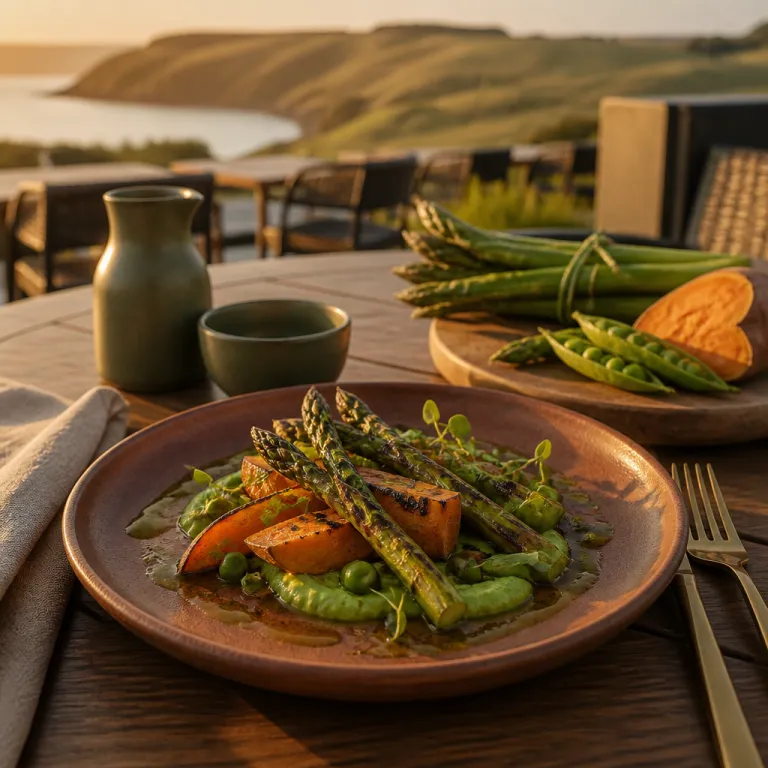
Spring hotel dining in New Zealand: why the seasonal menu shift matters
Spring hotel dining in New Zealand seasonal menu changes are subtle at first. You notice more salad fresh options, a brighter tomato coulis beside the last of the slow braises, and food that feels lighter without losing depth. This is the moment when a hotel restaurant can turn a simple dinner into a memorable dining experience, especially for a traveler who wants to spend time exploring their own backyard rather than chasing crowds overseas.
Across Aotearoa, hotel chefs act as quiet menu planners, working with local farmers to bring in fresh asparagus, new season lamb and the first herbs that can handle the south wind. At properties such as The Farm at Cape Kidnappers in Hawke’s Bay or Eichardt’s Private Hotel in Queenstown, kitchen teams meet growers weekly to plan dishes around what is coming out of the ground. Industry data from the American Hotel & Lodging Association suggests that a clear majority of hotels and resorts worldwide now update their menus for spring, and New Zealand’s better hotels resorts are firmly part of that movement. As one hospitality briefing puts it without hedging, “Why do hotels change menus seasonally? To offer fresh, seasonal ingredients.” In a 2023 AHLA food and beverage snapshot, for example, more than 70% of surveyed full‑service hotels reported adjusting menus at least twice a year to reflect seasonal produce.
For you as a guest, that means the food and wine pairing lists start to tilt towards sauvignon blanc and lighter pinot noir from regions like Central Otago, Hawke’s Bay and Marlborough. You might find goat cheese and tomato tartlets served with a glass of crisp sauvignon blanc at a lakeside property, while a city hotel in Tāmaki Makaurau leans into duck liver parfait with cracked pepper and a splash of richer red. At Park Hyatt Auckland, for example, the Onemata restaurant often moves from slow cooked beef to grilled line caught fish with salad fresh greens as soon as local suppliers can guarantee volume. A recent spring menu there featured line caught snapper with asparagus, preserved lemon and herb salad, a dish that shows how chefs balance comfort food with the first truly fresh produce rather than flipping the switch overnight.
When you browse hotel listings, read beyond the room type and check how the restaurant talks about its seasonal menu and dining experiences. Many of the most interesting hotels resorts now highlight their collaboration with local farms, their focus on sustainable food and drink, and their role in regional food festivals. In Hawke’s Bay, for instance, several hotel restaurants build special menus around the F.A.W.C! Food and Wine Classic events held each November. If you care about where your food comes from, this is the time of year when the story behind each plate becomes as compelling as the beautiful view from your table.
From winter firesides to spring light: what actually changes on the plate
Between late winter and early spring, the best hotel restaurants in New Zealand run a kind of two track menu. One side still offers slow cooked dishes, rich sauces and that chocolate brownie with ice cream you ordered by the fire in July, while the other begins to showcase salad fresh greens, lighter sauces and food that lets the produce speak. The most rewarding spring hotel dining New Zealand seasonal menu experiences sit exactly in this overlap, where you can choose your own pace between winter comfort and spring energy.
Look at Hawke’s Bay, where coastal hotels use the region’s long growing season to shift gears earlier than the south. Properties that led the winter food scene with braised beef cheeks and dense red wine jus now start to feature grilled fish with clear waters herbs, asparagus spears and a goat cheese and tomato salad that feels like a promise of summer. At Art Deco era hotels in Napier, chefs often replace root vegetable sides with charred spring onions and citrus dressed leaves as soon as local growers confirm supply. If you want a deeper dive into how one region manages this pivot, our guide to Hawke’s Bay hotel dining and its winter food scene shows how chefs there are already thinking about spring while the fire is still lit.
Further south, in Central Otago and Queenstown, the transition runs a little later, but the creativity is often sharper. You might find duck liver parfait still on the menu, but now it is served with salad fresh leaves, pickled tomato and a glass of Central Otago pinot noir instead of a heavy red blend. Bluff oysters appear briefly on some hotel menus as the season allows, sometimes paired with sauvignon blanc or a lean pinot noir, and they turn a simple dinner into a dining experience that feels both local and luxurious. At lakeside hotels around Wānaka and Queenstown, chefs frequently use the short oyster season to test new spring sauces and garnishes before rolling them out across the wider menu.
Even dessert tells you where the season sits. Rich chocolate brownie with vanilla ice cream remains a staple in many hotels resorts, yet chefs start to add citrus segments, early berries or a drizzle of Central Otago fruit syrup to lighten the plate. Some pastry teams in Marlborough and Nelson also fold in new season stone fruit as soon as it appears at local markets. When you read a spring hotel dining New Zealand seasonal menu online, scan for these small signals, because they show a kitchen that understands how to move with the season rather than just swapping one set of dishes for another.
Regional flavours: north to south, bays to alpine lakes
New Zealand’s geography means that spring never arrives in a single wave, and hotel menus reflect that staggered rhythm. In the north, from Auckland’s harbourside hotels to the beautiful bays of Northland, you will often find seafood led food and wine pairings appearing earlier, with bluff oysters sometimes featured alongside other shellfish on special menus. These coastal restaurants lean into clear waters imagery, serving salad fresh greens, tomato based dressings and goat cheese crumbles that echo the brightness outside. At Paihia and Russell, for example, several waterfront hotels offer spring tasting menus that move from raw fish entrées to lighter lamb mains within a single sitting.
On the West Coast of the South Island, the mood is different, and so is the food. Here, hotels and resorts often keep one foot in winter for longer, with duck liver pâté, slow cooked lamb and red wine reductions still served beside roaring fires, while the first spring greens and salad fresh herbs creep onto the plate as garnishes that gradually become the main event. Menus in Franz Josef and Hāwea might list hearty venison one night and then add a bright asparagus side the next as local supply improves. If you enjoy that fireside feeling, our feature on New Zealand hotels serving winter menus worth booking a room for offers a useful counterpoint to the lighter spring hotel dining New Zealand seasonal menu options emerging elsewhere.
Queenstown and the wider Central Otago region sit at the crossroads of these trends. Lakeside hotels here often pair a serious wine list with menus that move from hearty to fresh in a matter of weeks, so you might find duck liver parfait, bluff oysters and goat cheese tarts all sharing space with lighter mains and salad fresh sides. For wine focused travelers, this is also the ideal time to combine a hotel stay with a local wine trail, tasting pinot noir and sauvignon blanc by day before returning to a restaurant where those same bottles are served with carefully matched food. Many hotel concierges in Queenstown now keep printed maps of nearby cellar doors specifically for guests planning spring food and wine weekends.
Hawke’s Bay, Nelson and Marlborough bring yet another angle, with hotels using their proximity to vineyards and orchards to build dining experiences around food festivals and seasonal events. You can spend time at a food festival during the day, then return to a hotel restaurant where the menu has been shaped by the same producers you met at the stalls, from goat cheese makers to small batch ice cream artisans. In Nelson, for instance, several boutique hotels design spring menus around the region’s seafood and hop harvest, while Marlborough properties highlight sauvignon blanc focused dinners that coincide with local wine weekends. Across all these regions, the most compelling dining experiences come from hotels resorts that treat spring not as a marketing slogan but as a genuine shift in how food, wine and service come together on the plate.
How to book for the best spring dining experiences in New Zealand hotels
For a solo traveler based in New Zealand, the sweet spot is booking when chefs are still experimenting with both winter and spring elements. Many hotel restaurants quietly update their menus in late August and September, long before the main holiday rush, which means you can find excellent value, attentive service and a spring hotel dining New Zealand seasonal menu that feels genuinely personal. To make the most of it, always check hotel websites for menu updates and reserve tables in advance, especially if you are targeting a specific dining experience.
When you read a menu, look for signals that the kitchen is working closely with local farmers and suppliers rather than just refreshing the wording. Mentions of Central Otago lamb, Hawke’s Bay vegetables, West Coast seafood or bluff oysters suggest a real connection to place, as do desserts that move beyond generic chocolate brownie to include regional fruit, artisan ice cream or goat cheese with honey. If you value wellness alongside food, consider pairing your trip with a stay at a property that treats cuisine as part of a wider retreat, such as the lodge profiled in our feature on what makes an award winning New Zealand wellness retreat different, where salad fresh produce and thoughtful food drink pairings are central to the stay.
Private dining rooms are another spring advantage, especially if you want a quieter dinner after a day on the wine trail or exploring bays and clear waters. Many luxury hotels now offer private spaces where a chef’s menu is served with matched wine, from sauvignon blanc and pinot noir to more experimental blends, often with duck liver canapés, goat cheese bites or tomato based amuse bouches to start. Ask directly about seasonal tasting menus, food and wine pairing options and any upcoming food festivals, because these are the moments when hotels resorts put their most ambitious dining experiences on show.
Finally, pay attention to how staff talk about the food, not just how it looks on the plate. A team that can explain where the cracked pepper comes from, why the goat cheese works with a particular pinot noir, or how the ice cream uses fruit from a nearby bay orchard is a team that cares about the full dining experience. That level of service turns a simple spring dinner into a story you will remember long after you have checked out, and it is exactly what my-new-zealand-stay.com looks for when we recommend hotels to readers who care as much about the menu as the mattress.
FAQ: spring hotel dining and seasonal menus in New Zealand
Why do New Zealand hotels change their menus for spring ?
Hotels in New Zealand change their menus for spring to highlight fresh, seasonal ingredients and to keep regular guests engaged with new dining experiences. As one industry explanation puts it clearly, “Why do hotels change menus seasonally? To offer fresh, seasonal ingredients.” For travelers, that means more vibrant food, better wine pairings and a stronger sense of connection to local producers.
When do spring hotel menus usually launch in New Zealand ?
Most New Zealand hotel restaurants begin planning their spring menus in late winter, then roll out changes gradually from late August through October. Some properties in warmer regions such as Hawke’s Bay and Northland move earlier, while alpine and southern hotels transition slightly later. It is worth checking each hotel’s website or calling the restaurant directly, because some will trial spring dishes as specials before updating the full menu.
How can I tell if a hotel restaurant really uses seasonal produce ?
A genuinely seasonal hotel restaurant will name specific regions, farms or producers on the menu, rather than just using generic terms like “market vegetables”. Look for references to Central Otago lamb, bluff oysters, Hawke’s Bay stone fruit, West Coast seafood or goat cheese from a named dairy, and ask staff about how often the menu changes. If the team can explain why a particular sauvignon blanc or pinot noir has been paired with a dish, that is another strong sign the kitchen is working closely with local suppliers.
Is it worth booking a hotel just for the spring dining experience ?
For many New Zealand travelers, booking a hotel around a spring dining experience is one of the most rewarding ways to explore familiar regions in a new way. Visiting during the seasonal transition often means smaller crowds, more attentive service and chefs who are at their most creative as they balance winter comfort with fresh spring produce. If you enjoy food, wine and the chance to spend time talking with knowledgeable staff about what is on your plate, then a spring focused stay can be as memorable as any overseas trip.
Do I need to reserve a table in advance for hotel restaurants in spring ?
While spring is generally quieter than peak summer, the most popular hotel restaurants in regions like Queenstown, Central Otago and Hawke’s Bay can still book out, especially on weekends and during food festivals. It is wise to reserve your dinner table at the same time as your room, particularly if you are aiming for a specific tasting menu or private dining experience. Early booking also gives you a chance to ask about upcoming menu changes, wine trail partnerships or special events that might enhance your stay.