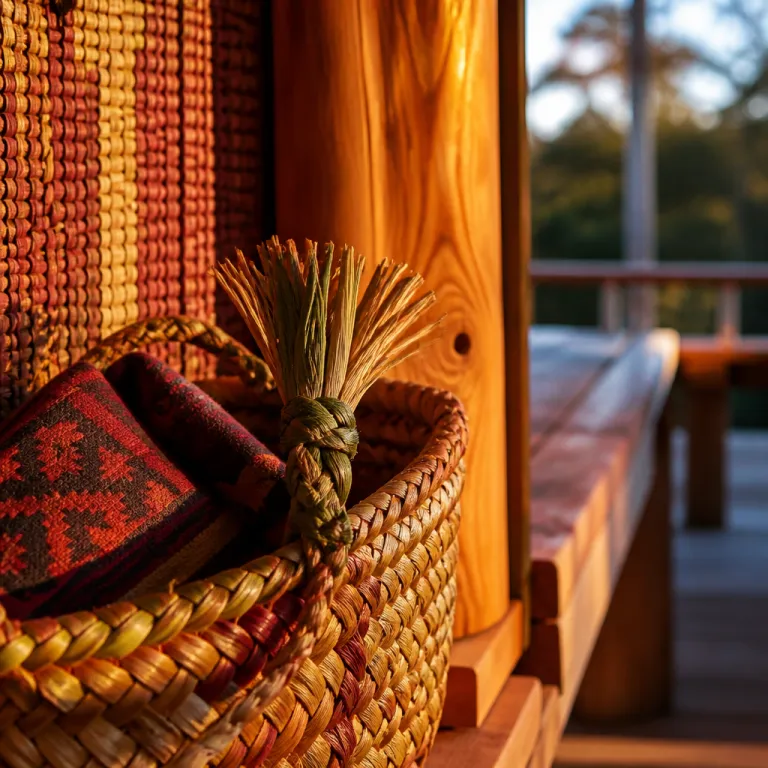
Kohutapu Lodge and the rise of Māori led regenerative tourism
Kohutapu Lodge sits on the edge of Murupara, facing Lake Aniwhenua and framed by pasture that quickly yields to forest. This is not a lodge that performs culture for visitors; it is a Māori family owned operation where Ngāti Manawa hosts fold you into daily life and use tourism as a tool for social change. For New Zealand travelers used to polished luxury in Rotorua or Queenstown, the Kohutapu Lodge Murupara Māori cultural tourism model offers something quieter, deeper and ultimately more affecting.
The lodge itself is simple but thoughtfully run, with warm communal spaces, lake views and easy access to tribal lands that stretch towards the Whirinaki Forest and the nearby national park. Here, hospitality is guided by kaitiakitanga, the principle of guardianship, and manaakitanga, the obligation to care for people, so every guided cultural interaction is designed to benefit both guests and the local community. According to the lodge’s own social impact reporting and coverage in regional media, more than 25,000 meals have been delivered to local whānau since 2013, and your stay helps fund school programmes, youth leadership initiatives and food parcels while you learn about Ngāti Manawa history, Māori culture and the realities of life in a former forestry town.
Regenerative tourism is more than a slogan at Kohutapu; it shapes the entire experience from the first welcome onto the marae to the last farewell haka on the lakeshore. Co founder Nadine Toe Toe, widely profiled as a driving force behind the lodge, has described their approach as “tourism that leaves our people and our place better than before,” a philosophy that has guided more than a decade of lodge operations and tribal tours. Visitors are encouraged to leave with knowledge, not just photos, and the community gains skills, jobs and pride. For Kiwis booking their next getaway through a premium hotel platform, this is where a night’s tariff becomes an investment in people, culture and land rather than just another stay.
From Rotorua to Murupara: why this lodge belongs on your North Island itinerary
Most domestic travelers know Rotorua for geothermal pools, Wai Ariki style spa rituals and the familiar rhythm of evening cultural shows. Drive just over an hour southeast though, and the Kohutapu Lodge Murupara Māori cultural tourism experience reveals a different side of Te Ika a Māui, one where the road narrows, the forest thickens and the tourism story is written by the people who live here. The contrast between a city hotel in Rotorua and this lakeside lodge is stark, yet both can sit comfortably on the same itinerary for travelers who want variety.
Base yourself first in Rotorua to enjoy the new Wai Ariki Hot Springs and Spa, then follow the Rangitāiki River inland to Murupara where Ngāti Manawa are custodians of Tawhiuau maunga and the surrounding tribal lands. At Kohutapu Lodge, your hosts will often suggest a guided tour that links geothermal narratives from Rotorua with local stories of migration, forest footsteps and resilience, creating a continuous cultural arc across the central Bay of Plenty. This is where you start to learn how Māori culture shifts from performance in the city to lived practice in a small community, and why that shift matters.
For travelers comparing premium stays, it helps to think of Kohutapu alongside other characterful properties like Roki in Queenstown, the lodge hotel hybrid redefining luxury. Roki excels at alpine design and urban energy, while Kohutapu excels at guided cultural immersion, tribal tours and hands on experiences that connect you to land and people. One recent guest summed it up simply: “Queenstown was my holiday; Murupara was my turning point.” Both belong on a discerning New Zealand traveler’s list, but only one will have you standing in a wharenui at night, listening to stories of the oldest Māori ancestors who walked these valleys long before tourism existed.
Inside the experience: haka, hangi and learning on Ngāti Manawa land
A stay at Kohutapu Lodge is structured around experiences rather than room categories, and that is where the Kohutapu Lodge Murupara Māori cultural tourism approach feels most distinct. You might arrive in time for a lakeside welcome, then move straight into a guided cultural walk where Ngāti Manawa hosts explain local rock carvings, point out Māori rock art sites and share how the forest once fed entire native nations. The pace is unhurried, but the learning is constant, with every story anchored to a specific bend in the river, a stand of trees or a carved pou.
Later, you join lodge tribal hosts to help prepare a traditional hāngī, layering vegetables and meat into the earth oven while elders talk about manaakitanga and the responsibilities of hosting. As the food steams, younger members of the community lead haka workshops, weaving in explanations of posture, breath and meaning so that the performance becomes a lesson in identity rather than a quick photo opportunity. By the time you sit down to a shared picnic lunch or evening feast, you have moved from spectator to participant, and the line between guest and whānau feels deliberately blurred.
Days often include optional tribal tours to Lake Aniwhenua, where you can explore shoreline sites, hear about historic mahinga kai and watch birdlife that thrives under local guardianship. Other excursions head towards the Whirinaki Forest, sometimes branded as Whirinaki Forest Footsteps, where guided walks reveal towering podocarps and the ecological stories that sit alongside cultural narratives. For travelers who enjoy pairing nature with wellness, it is easy to imagine a future itinerary that links this inland stay with coastal sanctuaries such as Split Apple Retreat, Abel Tasman’s most private lodge at the edge of the park, creating a North Island and South Island circuit of meaningful, low impact stays.
Whirinaki Forest, Lake Aniwhenua and the wider Bay of Plenty wilderness
Geography is central to the Kohutapu Lodge Murupara Māori cultural tourism story, because this is a place where lake, river and forest meet in a tight radius. Lake Aniwhenua lies just beyond the lodge, a calm stretch of water that reflects dawn light and anchors many of the guided tours, from early morning waka outings to evening storytelling sessions on the shore. To the south and east, the Whirinaki Forest and nearby national park lands offer some of the most impressive podocarp stands in Aotearoa, yet remain far quieter than better known tracks.
Ngāti Manawa guides lead small groups into Whirinaki Forest, tailoring each guided cultural walk to the fitness and interests of the people in front of them. One day might focus on medicinal plants and traditional uses of the forest, while another might follow old logging routes, turning industrial scars into open air classrooms about regeneration, kaitiakitanga and the future of tourism in this part of Bay of Plenty. These tours are never scripted; they respond to weather, bird calls and the questions you ask, which is why repeat visitors often say each experience feels new.
Back at the lodge, the landscape continues to shape the rhythm of your stay, from misty mornings on the lake to clear nights where the Milky Way stretches above tribal lands. Some itineraries include visits to nearby Māori rock carving sites, where you can learn how motifs link to stories of migration, warfare and peace, adding another layer to your understanding of Māori culture in this region of New Zealand. If you are used to coastal luxury, think of this as the inland counterpart to the garden to table ethos at places like The Headwaters Eco Lodge in Central Otago, where landscape, food and community are equally entwined.
How to book, what to expect and why it matters for New Zealand travelers
Booking Kohutapu Lodge through a luxury and premium hotel platform is straightforward, but the mindset you bring is what will shape your stay. This is not a place for anonymous room service or a quick spa circuit, even though Rotorua’s Wai Ariki and other ariki spa style experiences sit within easy driving distance for those who want to combine them. Instead, you arrive ready to participate, to listen, to learn and to accept that the most memorable moments may happen around a kitchen table or beside a smoky hāngī pit rather than in a polished lounge.
Before you book, consider how many nights you can give to Murupara, because one night rarely feels enough to absorb the depth of kōrero on offer. A two or three night stay allows time for at least one Whirinaki Forest walk, a visit to Lake Aniwhenua, a haka workshop and unstructured conversations with lodge staff and community members who drift in and out of the property. Typical packages are priced in line with other boutique cultural lodges in regional New Zealand, and the operators themselves suggest three simple guidelines for guests: “Book in advance”, “Respect local customs”, “Participate actively”.
For New Zealand travelers used to evaluating hotels by thread count and wine lists, Kohutapu Lodge Murupara Māori cultural tourism invites a different set of questions. Ask how your tariff supports Ngāti Manawa youth, how tribal tours are co designed with the community, how the lodge measures its impact on people and land, and how it fits into the wider movement of Māori led tourism across the country. In doing so, you help shift the market towards stays where culture is not a theme but a living framework, and where every guided tour, picnic lunch and shared story strengthens both host and guest.
FAQ
What activities are offered at Kohutapu Lodge?
At Kohutapu Lodge, the core activities include guided tours on Ngāti Manawa land, traditional hāngī meals and weaving or haka workshops led by local hosts. Many itineraries also feature visits to Lake Aniwhenua, walks in Whirinaki Forest and storytelling sessions on the marae. These experiences are designed to combine cultural learning with time in the surrounding wilderness.
How do I book a stay at Kohutapu Lodge?
You can book a stay at Kohutapu Lodge through premium hotel booking platforms that feature cultural and wilderness lodges, or by contacting the property directly via its official website, email or phone. Because group sizes are kept small and many activities are guided, it is wise to secure dates well in advance. This is especially important for New Zealand travelers planning around school holidays or long weekends.
Is prior cultural knowledge or experience needed to participate?
No prior cultural knowledge is required to join activities at Kohutapu Lodge, and all visitors are welcomed as learners. Hosts explain tikanga, protocols and the meaning behind haka, waiata and carvings in clear, accessible language. The only expectation is that guests arrive with respect, curiosity and a willingness to participate.
How does a stay at Kohutapu Lodge support the local community?
Revenue from Kohutapu Lodge Murupara Māori cultural tourism is reinvested into Ngāti Manawa initiatives, including youth programmes, school partnerships and community events highlighted in lodge impact updates and local media. Local people are employed as guides, storytellers and operations staff, building skills and long term careers in tourism. By choosing this lodge over a generic stay, you help sustain both cultural practice and economic resilience in Murupara.
How does Kohutapu compare with other luxury and wilderness lodges in New Zealand?
Kohutapu Lodge offers simpler accommodation than some high end New Zealand wilderness lodges, but it matches them in depth of experience and sense of place. Where coastal retreats might focus on spa rituals or fine dining, Kohutapu focuses on guided cultural immersion, tribal tours and time on ancestral land. Many domestic travelers now pair a stay here with more traditional luxury properties elsewhere, creating itineraries that balance comfort with meaningful connection.