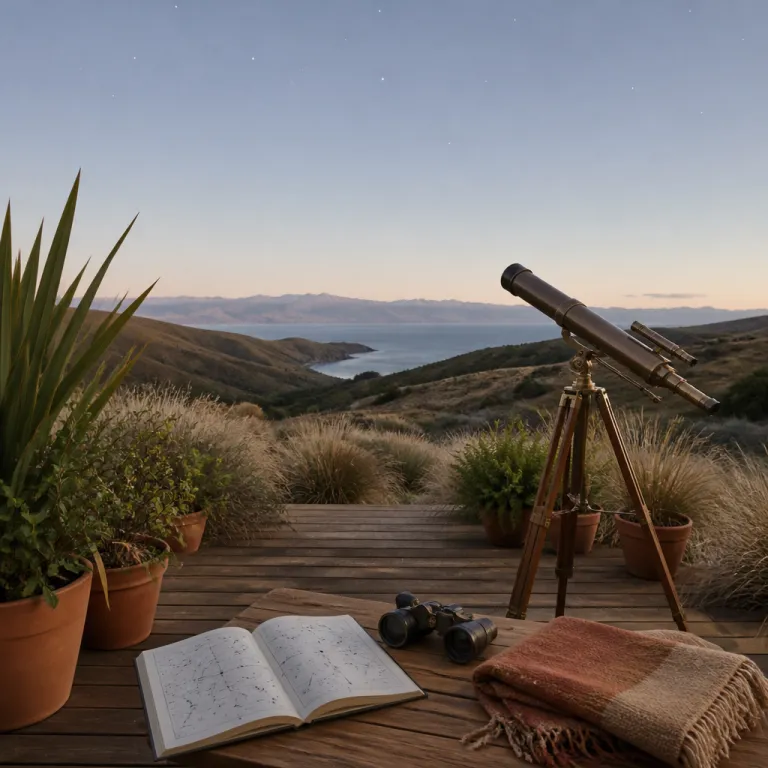
Why Matariki season is the moment to travel for the night sky
Matariki season turns mid winter in Aotearoa into a reason to pack an overnight bag and head for darker horizons. As the Matariki star cluster rises in the pre dawn sky, the Māori year resets and suddenly those long June and July nights become prime time for astronomy focused escapes across New Zealand. For a solo explorer based in Aotearoa, planning matariki 2026 stargazing events New Zealand wide is less about ticking off a public holiday and more about choosing the right hotel where the stars Matariki feel close enough to touch.
Matariki is the Māori name for the Pleiades star cluster, and its appearance signals the Māori New Year. That single line, often repeated in guides to learn Matariki, barely hints at how deeply the rising Matariki stars shape winter travel, from Northland marae based gatherings to South Island dark sky lodges. When you plan where you will stay, think about the Māori year as a seasonal frame; June July becomes a travelling window when the night sky, food, arts culture and whānau centred events align in a way no other time of year can match.
Across the motu, people now treat the Matariki public holiday as a cue to book a night or two away, often somewhere with a clear view of the eastern horizon and minimal light spill. That might mean a national park lodge where the host knows roughly when the star cluster will appear, or a city hotel that partners with a local observatory for guided night sky sessions. Either way, the best luxury and premium stays lean into the Māori year narrative, weaving in stories of the Matariki star, the lunar calendar and the cluster stars that guide planting, harvesting and remembrance.
South Island rail, sanctuaries and lodges made for Matariki
Some of the most compelling matariki 2026 stargazing events New Zealand visitors can look forward to are likely to include special rail focused itineraries on Te Waipounamu. In recent years, operators on the Christchurch to Kaikōura coastal line have trialled themed journeys that turn a familiar route into a moving observatory where the night sky and Māori astronomy are the main attractions. Check current timetables and event pages before you book, then time your hotel stay so you can fold a luxury night into any rail experience that tracks the rising Matariki cluster over the Pacific.
Kaikōura sits within a wider region recognised for exceptionally clear skies, making it one of the sharpest choices for a mid winter escape that balances whales by day and stars Matariki by night. High end lodges on the hills above town offer suites where you can step from a soaking tub straight onto a terrace and look up at the star cluster without streetlights, while local guides explain how the Matariki Māori traditions sit alongside modern astrophysics. This is where the phrase “year Matariki” stops being abstract and becomes a lived rhythm, with food drawn from the sea, stories shared with whānau and the night sky treated as both calendar and compass.
If you prefer your luxury with a lake rather than an ocean, Fiordland is the deep south answer to Kaikōura’s coastal drama. Properties such as the elegant lakeside retreat highlighted in this Fiordland lodge review for discerning travellers sit within reach of some of the darkest skies in New Zealand, ideal for those who want to learn Matariki in a quieter, more contemplative setting. Here, the Māori year feels anchored in the surrounding ranges; you might spend the day on a remote track and the night tracing the Matariki stars and other cluster stars that hang above the lake like a private planetarium.
North Island observatories, city stays and Matariki themed experiences
Not every memorable Matariki escape requires a long drive or a remote lodge; some of the most polished matariki 2026 stargazing events New Zealand travellers will find unfold within reach of major North Island cities. Auckland’s Stardome Observatory and Planetarium on Maungakiekie is already a hub for Matariki themed shows, and during mid winter the programme often expands into a full evening arc of planetarium north sessions, telescope viewing and cultural storytelling. The organisers summarise it simply; “Matariki is the Māori name for the Pleiades star cluster, marking the New Year” and “Matariki is celebrated in mid-winter, typically late June to early July.”
For a solo traveller, the trick is to pair those events with a hotel that understands why the Māori year matters to its guests. Some of Auckland’s top properties now build packages around the Matariki public holiday, offering pre dawn transfers to viewing spots, late checkouts for those who have been up watching the night sky and menus that foreground seasonal food tied to celebrate Matariki traditions. If you are weighing up where to stay, this guide to Auckland’s premier hotels and guest experience doubles as a useful shortlist of properties with the service level to handle early morning astronomy wake up calls.
Beyond Auckland, Wellington and Rotorua are leaning into arts culture programming that treats Matariki stars as both scientific objects and creative muses. Expect galleries to host exhibitions themed around the star cluster, while luxury hotels curate in house performances and talks that help guests learn Matariki Māori perspectives without leaving the lobby. For those who want their entire stay to orbit the season, specialist guides such as the dedicated page on Matariki stays and mid winter New Year hotels make it easier to match a property to the specific night sky events you care about.
How to choose and book a hotel for Matariki stargazing
Choosing the right base for matariki 2026 stargazing events New Zealand wide starts with one question; do you want observatory access, or unfiltered dark sky above your balcony. If your priority is structured learning, look for hotels that partner with observatories or planetaria, where you can move from a Matariki themed show straight to a telescope session without worrying about transport or timing. If you are more interested in quiet reflection, focus on properties in dark sky regions where the Matariki star cluster is visible from the grounds and staff are used to guests wandering out in the cold at odd hours.
Timing matters more than many first time Matariki travellers realise, because the Māori year follows a lunar calendar rather than the standard civil one. The best nights to celebrate Matariki shift slightly each year, and local iwi will often announce the ideal dates for gatherings, food sharing and remembrance, so align your booking with those rather than just the public holiday. In practice, that means treating late June July as a flexible window, watching for announcements about when the rising Matariki will be most significant, then locking in a stay that allows at least one extra day in case the weather closes the sky.
Finally, think about the full experience, not just the stars Matariki overhead. The most rewarding stays weave in arts culture events, seasonal food that reflects the harvest themes of the Māori year and space for whānau or solo contemplation, depending on how you like to travel. New Zealand’s push to become a national dark sky leader means more hotels will adapt to this rhythm over time, but for now the most satisfying itineraries still belong to travellers who plan ahead, respect the cultural roots of Matariki Māori traditions and choose properties that treat the night sky as a host rather than a backdrop.
FAQ
What is Matariki and why does it matter for travellers?
Matariki is the Māori name for the Pleiades star cluster, and its first appearance in the pre dawn sky signals the Māori New Year. For travellers, that rising marks a mid winter season when many regions of New Zealand host stargazing events, cultural gatherings and special hotel packages. Planning around Matariki lets you align your trip with both the night sky and local celebrations.
When is the best time to see the Matariki stars?
The Matariki stars are usually visible in the north eastern sky before dawn from late June to early July, during the colder mid winter period. Exact dates shift each year because the Māori year follows a lunar calendar, so local iwi often announce the most important nights. For the best experience, book at least one or two nights either side of the recommended dates in case of cloud.
Where in New Zealand offers the best Matariki stargazing?
Dark sky regions such as Kaikōura, parts of Fiordland and inland South Island locations near Lake Tekapo offer some of the clearest views of the night sky. In the North Island, Auckland’s Stardome Observatory and other planetarium north facilities provide guided ways to learn Matariki even with city lights nearby. Your choice comes down to whether you prefer observatory based experiences or remote lodges under naturally dark skies.
How should I prepare for a Matariki themed hotel stay?
Pack warm layers, including a windproof jacket, hat and gloves, because Matariki viewing usually happens in the coldest part of the night. Check weather forecasts and any event schedules in advance, especially if your hotel is coordinating telescope sessions or cultural performances. It is also worth reading a little about Matariki Māori traditions beforehand, so the stories you hear on site have more context.
Is the Matariki public holiday a busy time for bookings?
Yes, the Matariki public holiday has quickly become a popular long weekend for domestic travel, especially to regions known for dark skies or strong arts culture programmes. Luxury and premium hotels that offer special Matariki menus, talks or stargazing events often sell out early. If you want specific dates or room types, aim to book several months ahead and remain flexible on exact check in day if possible.