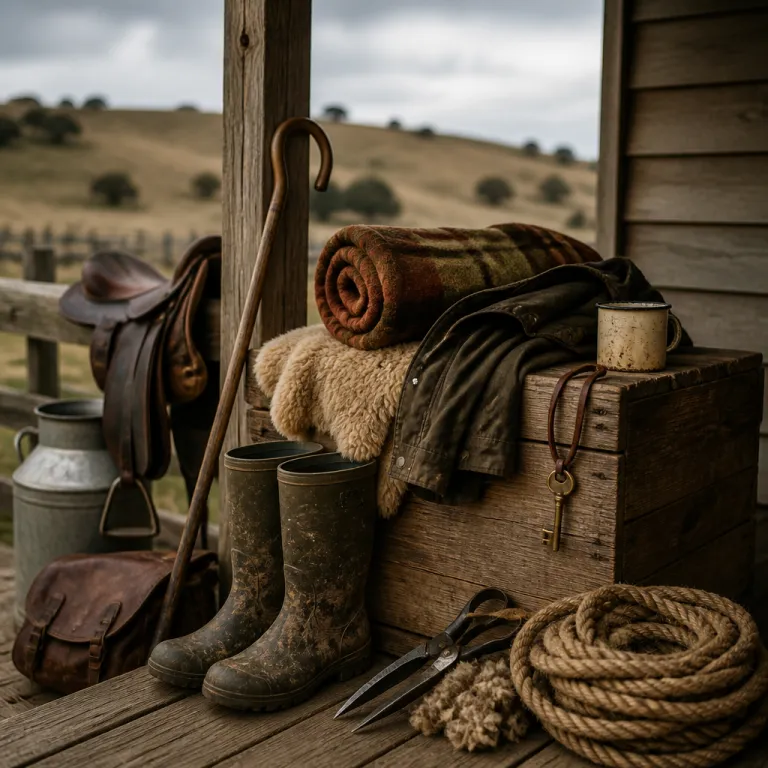
Farm stay station New Zealand heritage luxury for Kiwi families
Farm stay station New Zealand heritage luxury is reshaping how Kiwis travel. Across the country, working sheep farm and sheep beef stations are opening their historic homesteads, offering luxury accommodation that still feels grounded in real agritourism and rural life. For a New Zealand family used to bach holidays, this kind of stay adds depth, history and a quietly indulgent sense of place.
These properties are not generic rural accommodation options ; they are living zealand farm enterprises where mustering, shearing and seasonal work continue around you. A farm stay on a high country station in the South Island might mean waking to the sound of quad bikes heading out, while a north island country estate could pair vineyard rows with paddocks of sheep and cattle. The result is an authentic experience where luxury is measured as much in stories and sweeping views as in thread counts and wine lists.
Families looking to find a retreat that balances comfort with character will notice the difference immediately. Instead of a standard lodge lobby, you might step into a timber lined hall lined with black and white photos of the station’s early days, some dating back to the first big agritourism wave. Many farm stays offer just a handful of guest rooms or a self contained cottage, which keeps the atmosphere relaxed and lets children roam safely between the homestead garden, the stables and the shores of a nearby lake.
High country stations and southern lakes: where landscape leads
The classic image of a farm stay station New Zealand heritage luxury break usually starts in the high country. In Canterbury and central otago, heritage stations stretch for thousands of hectares, with the southern alps rising behind and river braids cutting through tussock country in front. Here, the lodge or homestead often sits above a valley floor, with stunning views that change colour through the day as clouds move across the ranges.
On the south island’s lake edges, the mood softens slightly, but the sense of space remains. Around lake hawea and neighbouring basins, you will find farm stays that combine merino operations with small scale luxury accommodation, sometimes in a restored shearers’ quarters or a new build cottage tucked into a shelter belt. Many of these properties now sit comfortably alongside more traditional boutique accommodation in nearby towns, but the station stay offers a quieter, more elemental connection to land and sky.
Days here are shaped by the landscape rather than a resort schedule. Hosts lead farm tours that might include a hands on farm tour of the sheep yards, a drive up to a back ridge for wide open views, or a walk down to the shores lake edge for an evening picnic. If you are planning a wider loop through wine country, pairing a high country retreat with a stay at one of the winter in Marlborough wine lodge stays when the vines are bare can create a satisfying contrast between rugged station life and polished cellar door comforts.
What you actually do on a working heritage farm stay
Life on a farm stay station New Zealand heritage luxury property follows the rhythm of the farm first, then the guests. That means your stay might include watching a mob of sheep move past the front gate at breakfast, or joining a short farm tour between afternoon tea and dinner. Children usually adapt fastest, treating the country estate as a giant outdoor classroom where gumboots are essential and screens quickly lose their appeal.
Most hosts offer structured farm tours once or twice a day, tailored to the season and the age of visiting families. On a sheep farm, that could mean feeding lambs, watching shearing or learning how sheep dogs work a hillside, while mixed sheep beef stations might add cattle work or haymaking into the mix. Some properties add horse riding, fly fishing or guided walks, and if you want a deeper wilderness immersion you can pair your farm stay with a night at a fiordland eco retreat te anau’s quietest luxury wilderness stay for a different style of remote lodge experience.
When the day’s activity winds down, the luxury side of the equation steps forward. Many stations now offer a hot tub with clear views of the night sky, turning a simple soak into a stargazing ritual that feels both indulgent and very New Zealand. Communal dinners around a long table are common, and this is where the authentic stories of the estate, the challenges of modern agritourism and the realities of running zealand farm businesses come through in unvarnished detail.
Regional standouts: from Wairarapa to Lake Hāwea
Not every farm stay station New Zealand heritage luxury option sits deep in the back country. In the Wairarapa, for example, heritage properties blend pastoral land with vineyards, giving Wellington based families an easy weekend escape that still feels like a proper country retreat. These north island estates often lean into food and wine, pairing farm tours with tastings and long lunches under mature trees.
On the south island, central otago and the lake districts offer a different flavour again. Around lake hawea, some stations have carved out small pockets of luxury accommodation within larger working operations, sometimes under the banner of boutique accommodation but always with the farm at the centre of the story. A stay here might mean waking to mist over the lake, spending the day exploring back roads and then easing into a hot tub as the last light catches the southern alps.
Specific properties illustrate how varied these experiences can be across New Zealand. At Whitestar Station, for instance, the scale of the farm underlines just how big a working station can be, while Shearvue Farmstay focuses more tightly on close up encounters with alpacas and sheep during guided farm tours. Devcich Historic Farmstead adds another layer again, with farm stays and history walks that trace the evolution of the estate and show how agritourism can help preserve buildings and stories that might otherwise fade.
How to choose and book a heritage station stay
Choosing the right farm stay station New Zealand heritage luxury break starts with being honest about how rural you want to go. Some families are happiest on a country estate within an hour of a main centre, while others crave the isolation of a high country station at the end of a gravel road. Think about whether you want lake views, proximity to ski fields, or easy access to walking tracks that link naturally with spring preview walks, trails reopening and the lodges waiting at the end.
Next, look closely at how each property defines its accommodation and daily rhythm. A self contained cottage on the edge of a zealand farm will suit independent travellers who like to cook and keep their own hours, while a hosted lodge style stay with communal meals suits families who enjoy conversation and curated experiences. Some places lean heavily into luxury accommodation touches such as outdoor hot tubs, high thread count linen and chef led menus, while others keep things simpler but offer richer engagement with the farm’s daily work.
Practicalities matter, especially when travelling with children or older relatives. Many farm stays are reached via unsealed roads, so allow extra time and check conditions before you set off to find your retreat in the hills. With around 300 farm stays now operating across New Zealand, demand can be strong in school holidays, so it pays to book in advance, check seasonal activities and prepare for rural conditions ; as one set of host guidelines puts it clearly, “Book in advance. Check seasonal activities. Prepare for rural conditions.”
FAQ
What activities can families expect on a heritage farm stay?
Most heritage farm stays offer a mix of animal feeding, farm tours and gentle outdoor activities suitable for children. Typical options include meeting sheep and other stock, joining short history walks around the estate and sometimes watching seasonal work such as shearing or lambing. Some larger stations add horse riding, fishing or guided hikes, but the core experience is always about engaging with real farm life.
Are meals usually included in farm stay accommodation?
Meal arrangements vary widely between properties, so it is essential to check before you book. Hosted homesteads and lodge style stays often include breakfast and dinner, sometimes served communally at a long table in the main house. Self contained cottages on the farm usually operate on a self catering basis, although some hosts will stock the fridge or offer optional home cooked meals by prior arrangement.
How do I get to remote high country stations?
Transportation is almost always self drive, and you should not expect transfers unless they are explicitly offered. Many high country stations are reached via gravel roads, so allow extra time, carry a charged phone and check weather forecasts before you leave. If you are unsure about access, contact the host directly for detailed directions and advice on vehicle suitability.
Is a heritage farm stay suitable for young children?
Heritage farm stays can be excellent for young children, provided you choose a property that is set up for families. Look for clear information about fencing, safe play areas and whether children are welcome on all farm tours or only some. Always follow host instructions around machinery, animals and water, and pack appropriate clothing so kids can enjoy the outdoors comfortably in all conditions.
When is the best time of year to book a farm stay?
Farm stays operate year round, but the feel of the experience changes with the seasons. Spring brings lambs and longer days, summer offers easier access to lakes and rivers, while autumn and winter can be atmospheric times to enjoy a hot tub and hearty meals after crisp walks. Because availability and activities vary, it is wise to check individual farm calendars and book well ahead for school holidays and long weekends.