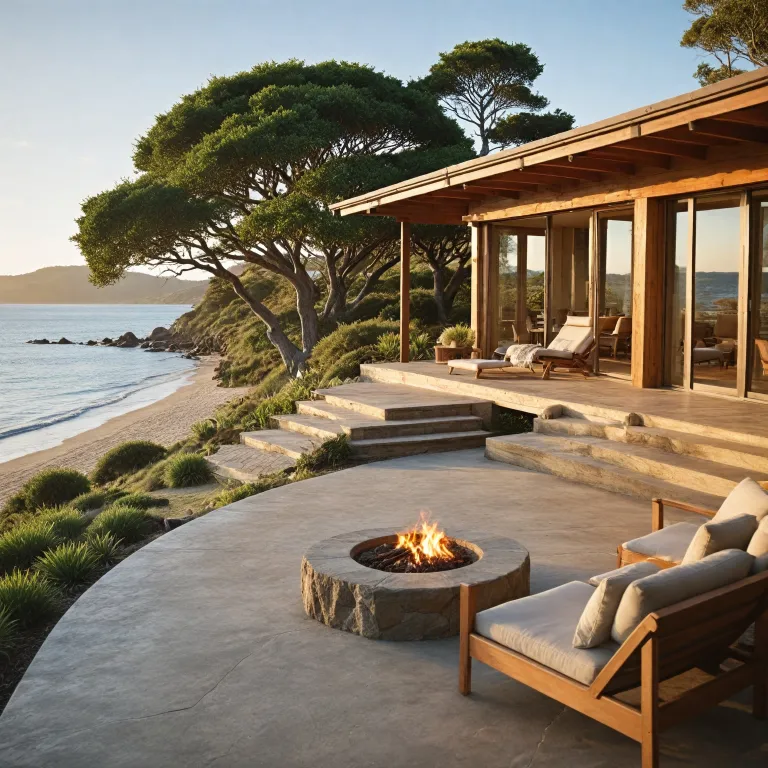
Coastal elegance at cooks beach nz for New Zealand travellers
Cooks Beach in NZ offers a refined coastal escape for travellers seeking quiet luxury. Along this long sandy stretch, premium stays balance relaxed beach living with polished service, ideal for New Zealand based guests planning a short transit or extended retreat. The white sandy shoreline curves gently around Mercury Bay, giving many luxury rooms and villas uninterrupted views across the water.
The settlement of Cooks Beach, Waikato, New Zealand sits within the wider Coromandel Peninsula, yet it feels pleasantly self contained and intimate. A detailed map will show how close you are to Ferry Landing, Whitianga, Hahei and Hot Water Beach, which makes it easy to plan day trips without sacrificing calm evenings. For travellers comparing each accommodation category on a premium booking website, this compact geography means you can prioritise a sandy beach outlook while still staying near dining and activity hubs.
History adds depth to every stay at cooks beach NZ, especially for guests who value context and culture. Cooks Beach is historically significant as the landing site of Captain James Cook in 1769, where he observed the transit of Mercury. The presence of Ngāti Hei and nearby pā sites around Ferry Landing and Shakespeare Cliff gives the bay a strong sense of place that elevates even a simple walk along the shore. When a luxury hotel highlights this story with curated experiences, it turns a standard beach stay into a meaningful coastal journey.
Heritage, culture and the story behind cooks beach stays
For travellers booking premium accommodation at cooks beach NZ, understanding the heritage of the bay enriches every choice. Captain James Cook’s arrival here to observe the transit of Mercury links the area to global navigation history, while the name Mercury Bay still anchors that scientific moment in the local landscape. Today, many luxury properties reference James Cook and the early maritime explorers in subtle design details, curated libraries or guided walks.
Equally important is the story of Ngāti Hei, the local iwi whose ancestral ties to this coastline long predate European arrival. Their presence around Whanganui Hei, Hahei and the wider Coromandel Peninsula shapes how responsible hotels frame cultural narratives for guests. Thoughtful operators work with Ngāti Hei to ensure that references to pā sites near Ferry Landing or Shakespeare Cliff are accurate, respectful and not reduced to a simple marketing title.
When you browse a New Zealand luxury booking website, look for properties that acknowledge both James Cook and Ngāti Hei in their storytelling. Some hosts arrange guided excursions that trace the route from Cooks Beach to Ferry Landing, then across by beach ferry to Whitianga, linking modern transit with historic sea routes. Others may provide printed map inserts that highlight cultural points of interest, from Ngāti Hei landmarks to the exact area where Captain Cook observed the transit Mercury event.
Choosing luxury and premium stays along the sandy beach
On a dedicated New Zealand hotel platform, cooks beach NZ often appears in the same category as Hahei, Hot Water Beach and Whitianga. This cluster allows travellers to compare premium suites, villas and apartments across multiple bays while focusing on similar coastal experiences. At Cooks Beach itself, many high end stays sit just behind the white sandy dunes, giving direct access to the long sandy shoreline.
When assessing options, pay attention to how each property uses its position on the sandy beach and within Mercury Bay. Some luxury stays orient every room toward the bay cooks outlook, while others prioritise privacy in garden settings a short walk from the water. A good booking website should clearly show distances in metres, highlight whether you can safely walk to the beach, and indicate how close you are to Ferry Landing or the beach ferry.
For travellers who value quiet, Cooks Beach usually feels calmer than Hahei or Hot Water Beach, especially outside peak February holiday periods. Yet you remain close to iconic sites such as Cathedral Cove, Hahei hot pools and the wider Coromandel Peninsula coastline. By using filters for location, room size, and amenity category, you can refine your search to properties that combine coastal tranquillity with easy transit to neighbouring attractions.
Access, transit and moving easily around mercury bay
Reaching cooks beach NZ is straightforward for travellers based in Auckland, Hamilton or Tauranga, with driving times typically around two and a half hours. The final approach along the Coromandel Peninsula reveals glimpses of bay after bay, including Purangi and Hahei, before you arrive at the settlement of Cooks Beach itself. Many premium properties provide clear driving directions and a downloadable map, which is especially useful for people arriving after dark.
Once you are settled, local transit options make it simple to explore Mercury Bay without constant car use. The historic passenger ferry between Ferry Landing and Whitianga has operated since the nineteenth century, and it remains a charming way to cross the harbour. You can often walk from your accommodation to Ferry Landing, board the ferry, then continue on foot into Whitianga for dining, shopping or spa appointments.
Some high end hosts arrange private transfers or guided excursions that link Cooks Beach with Cathedral Cove, Hahei Hot Water Beach and other Coromandel Peninsula highlights. These services can be especially appealing in February, when traffic and parking pressures increase around popular sites. When reviewing a hotel listing, check whether they offer assistance with transit Mercury planning, including ferry landing timetables, walking route suggestions and options for people who prefer not to drive.
Experiences beyond the room at cooks beach and nearby bays
Luxury at cooks beach NZ extends well beyond thread counts and room size, especially for travellers who value meaningful experiences. Early mornings on the white sandy shore can include guided walks that trace the footsteps of James Cook and Ngāti Hei ancestors. Some hosts provide curated itineraries that link Cooks Beach with Shakespeare Cliff, Ferry Landing and the wider Mercury Bay coastline.
Day trips often focus on the natural drama of Cathedral Cove, the geothermal sands of Hot Water Beach and the sheltered coves around Hahei. From Cooks Beach, you can join boat tours that glide across bay after bay, sometimes passing Purangi and Whanganui Hei marine areas. These excursions highlight how the Coromandel Peninsula coastline connects, turning separate settlements into a single, coherent seascape.
Seasonal events also shape the rhythm of stays, with the wider region known for gatherings such as the classic car themed Beach Hop in nearby towns. While Beach Hop itself does not take place at Cooks Beach, many people choose premium accommodation here for a quieter base within driving distance. When browsing a booking website, look for experience led descriptions that mention walking access to the sandy beach, proximity to the beach ferry, and curated outings across Mercury Bay.
Planning a refined stay as a New Zealand based traveller
For travellers living in New Zealand, cooks beach NZ offers the rare mix of familiarity and freshness. You may know the Coromandel Peninsula from childhood holidays, yet a carefully chosen luxury stay can reveal new layers of history and comfort. Focus your search on properties that respect the stories of James Cook, Ngāti Hei and the wider Mercury Bay environment.
When comparing listings, pay attention to how each hotel or villa describes its relationship with the land and sea. Look for references to Cooks Beach’s role in the transit Mercury observation, the cultural significance of Ngāti Hei, and the nearby landmarks of Shakespeare Cliff and Ferry Landing. A thoughtful title and description often signal that the hosts understand both the heritage and the expectations of discerning guests.
Finally, consider practicalities such as February peak demand, access to the beach ferry, and walking distances to the long sandy shoreline. Check whether your chosen property provides a detailed map, guidance on local transit, and suggestions for day trips to Cathedral Cove, Hahei Hot Water Beach and Whitianga. With this level of planning, your stay at Cooks Beach becomes more than a simple beach zealand getaway ; it becomes a refined coastal chapter in your personal New Zealand travel story.
Key statistics about cooks beach nz and mercury bay
- Population of Cooks Beach recorded at 459 residents, reflecting an intimate coastal community.
- Total area of Cooks Beach measured at 2.69 km², offering a compact yet varied shoreline.
- Median age of residents noted at 59 years, indicating a mature, relaxed local demographic.
Questions travellers often ask about cooks beach nz
What is the historical significance of Cooks Beach?
Cooks Beach is historically significant as the landing site of Captain James Cook in 1769, where he observed the transit of Mercury. This event links the bay directly to global navigation history and early scientific exploration. Today, visitors can walk the same sandy beach and explore nearby heritage points such as Ferry Landing and Shakespeare Cliff.
What are some nearby attractions to Cooks Beach?
Nearby attractions include Cathedral Cove, Hot Water Beach, and the town of Whitianga, accessible via a short ferry ride. These sites sit along the eastern Coromandel Peninsula and pair naturally with a stay at Cooks Beach. Many travellers combine relaxed days on the white sandy shore with excursions to these iconic coastal landmarks.
How can I get to Cooks Beach?
Cooks Beach is approximately a 2.5 hour drive from Auckland, Hamilton, or Tauranga. Alternatively, you can take a ferry from Whitianga to Ferry Landing, followed by a short drive or walk. This combination of road and water transit makes the area accessible while preserving its peaceful, small settlement character.