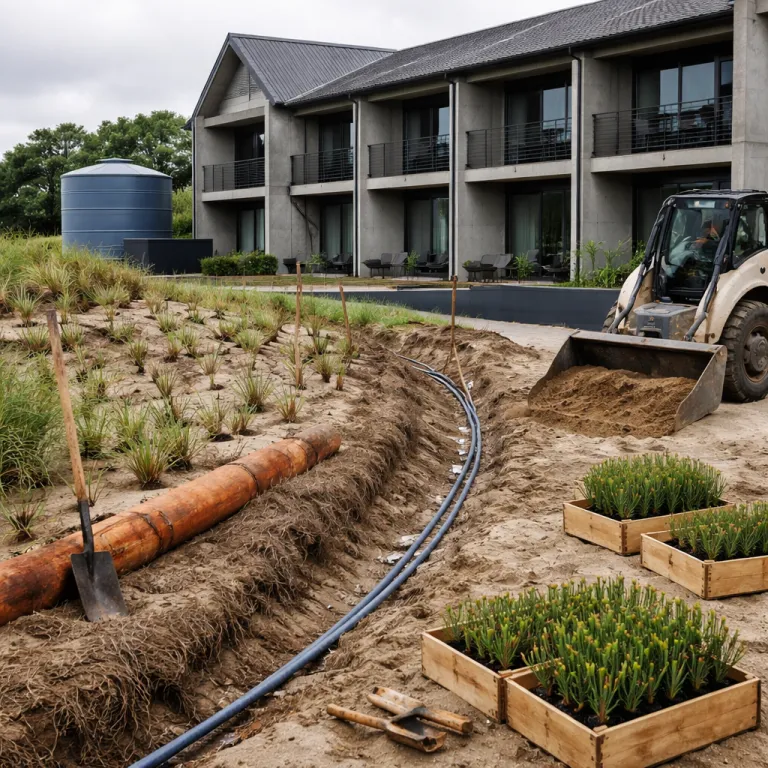
From sustainable to regenerative: why New Zealand’s luxury stays are shifting gear
Regenerative tourism in New Zealand asks a harder question than sustainability ever did. Where sustainable tourism aims to reduce harm, regenerative travel demands that every trip actively improves the environment, supports host communities and strengthens the long term resilience of the visitor economy. For a New Zealand based traveler used to polished service and lake views, that shift is starting to reshape what luxury and premium hotel booking really means across the country.
Think of sustainability as the baseline for responsible tourism, and regenerative practice as the ambitious upgrade that turns every stay into a small restoration project. The emerging tourism framework behind regenerative tourism in Aotearoa is built around restoring social ecological systems, not just offsetting a carbon footprint with a line item on your bill, and it is already influencing how high end properties in Queenstown, Auckland and the quieter lakes districts are designed and operated. When you read the language of new destination management plans from regional tourism organisations, such as the Queenstown Lakes “Travel to a Thriving Future” strategy, you see a clear expectation that the industry will move from “do less damage” to “leave this place better than you found it”.
That is a demanding brief for any tour operator or hotelier, yet it is also where New Zealand’s landscape proud hospitality scene feels most authentic. The Sustainability and Resilience Institute New Zealand, which convenes the multi partner Project Regenerative Tourism, summarises the ambition as “tourism that restores and enriches social-ecological systems.” For travelers who already care about tourism sustainability, climate change and responsible travel in Aotearoa, this is the moment to reassess what you expect from a regenerative stay, and to decide whether your next travel plan will support a genuinely New Zealand regenerative approach or just another marketing slogan.
Queenstown Lakes as test lab: where rhetoric meets real infrastructure
Queenstown has long been the poster child of New Zealand tourism, but Queenstown Lakes is now the country’s test lab for regenerative tourism. The Queenstown Lakes District Council, working with Destination Queenstown and Lake Wānaka Tourism, has adopted a bold plan for a carbon zero visitor economy by 2030, and that ambition is reshaping how hotels, lodges and tour operators think about every guest experience. If regenerative tourism in New Zealand is going to mean anything, it will be because this one destination proves that a thriving travel model can be both luxurious and low carbon.
The “Travel to a Thriving Future” plan is not just a glossy PDF about sustainability and resilience; it commits the region to a carbon free visitor economy and to tourism initiatives that enhance community wellbeing as much as they protect the environment. Electric jet boats on the Shotover River and hydro foiling electric ferries on the lakes are early signals that this is more than talk, and they sit alongside quieter changes such as renewable energy in lodges, low carbon tour design and deeper partnerships with mana whenua and host communities. For a traveler booking a premium stay in Queenstown, the question is no longer whether the hotel has a spa, but whether its operations, its tours and its supply chain fit into this regenerative tourism framework and align with the region’s official destination management plan.
There is still a gap between aspiration and reality, and you should read the fine print of any regenerative tourism claim in Queenstown. Some projects are already live, while others remain long horizon commitments that depend on funding, community support and the wider tourism industry aligning around New Zealand’s regenerative goals. If you want to lean into this experiment, look for operators that support the Love Queenstown community fund, that publish their carbon data or climate action plans, and that design tours which connect you with the bush and beach ecosystems and the people restoring them rather than just selling another adrenaline hit; then balance that with time in slower, more contemplative retreats such as the slow travel sanctuaries highlighted in our guide to doing nothing well.
How hotels turn regenerative theory into room keys, menus and lake crossings
The most interesting shift in regenerative tourism in New Zealand is happening behind the scenes, in the way hotels are built, powered and staffed. In Auckland, The Hotel Britomart has become a quiet benchmark for regenerative minded sustainable design, using reclaimed kauri timbers, driftwood and volcanic black sand to root a luxury experience in local materials and a low carbon construction story. That kind of detail matters because it shows how a premium urban stay can contribute to tourism sustainability while still delivering the polished service a business leisure traveler expects after a long flight.
Out in the countryside, Maruia River Retreat offers a different template for New Zealand regenerative hospitality, running on renewable energy and integrating conservation projects directly into the guest experience. This is where the line between sustainable tourism and fully regenerative tourism becomes clear; you are not just asked to reuse your towel, you are invited to walk the bush, understand the river ecology and support on site restoration work that will outlast your stay. When a property like this earns a top tier sustainability certification from an independent programme, or references national initiatives such as Project Regenerative Tourism, it signals to the wider tourism industry that regenerative tourism in New Zealand is commercially viable, not just a passion project for idealists.
Queenstown is where the hardware of this shift becomes visible, from the first electric jet boats to emerging low emission lake transport, and you can track that evolution through initiatives such as the electric jet boat trial on the Shotover. For travelers, the practical question is how to choose between hotels and tours that all claim to be sustainable, and the answer lies in asking how each operation reduces its carbon footprint, supports host communities and contributes to long term resilience rather than short term visitor numbers. When you see a hotel partnering with a local tour operator to offer low carbon lake crossings, bush and beach restoration walks and community led cultural experiences, you are looking at regenerative tourism practice in action rather than a recycled brochure.
Will Kiwis pay for regeneration, and what comes after Queenstown’s experiment ?
The hardest question for regenerative tourism in New Zealand is not technical, it is financial; will New Zealand travelers pay a premium for hotels and tours that go beyond sustainability into full regeneration. Early signs suggest that the business leisure segment, especially executives extending Auckland or Wellington trips into Queenstown or the Southern Lakes, is willing to invest more when the experience is clearly better for the environment and the community. That willingness to pay is what will determine whether regenerative tourism becomes the new normal for New Zealand tourism or fades into the background noise of marketing language.
For now, the smartest luxury and premium properties are treating regeneration as a design principle rather than an add on fee, folding it into everything from energy systems to menus and from staff training to guest itineraries. When you book a lakeside stay such as an elegant lakeside retreat at Lake Tekapo, you can already see how thoughtful water use, native planting and low impact architecture create a richer experience without shouting about sustainability on every page of the website. That is the direction of travel thriving in the most forward looking corners of the tourism industry, where regenerative practice is simply how good hospitality is done.
The next step is for other regions to adapt the Queenstown Lakes model to their own character, from Northland’s bush and beach coastlines to the volcanic plateau and the quieter wine regions that ring the central lakes. Each destination will need its own tourism framework that balances tourism sustainability, climate change adaptation and community resilience, but the core principles of regenerative tourism in New Zealand will remain the same; reduce carbon, restore ecosystems, strengthen host communities and design tours that leave a thriving future in their wake. As a traveler based in Aotearoa, your booking choices are part of that project, and the more you read official plans, check primary data sources and plan with regeneration in mind, the faster New Zealand’s regenerative ambitions will move from policy documents into the everyday reality of where you sleep, eat and swim.
Key figures shaping regenerative tourism in New Zealand
- Tourism contributes around 5.8% of New Zealand’s Gross Domestic Product, which means even small shifts towards regenerative tourism can have outsized impacts on the national economy and on local communities (Statistics New Zealand, Tourism Satellite Account 2022, the primary source for official tourism data).
- The Queenstown Lakes District has set a target for a carbon zero visitor economy by 2030, making it one of the most ambitious tourism sustainability goals in the country and a critical test case for other regions (Queenstown Lakes District Council, “Travel to a Thriving Future” destination management plan).
- National and regional initiatives such as Project Regenerative Tourism aim to restore and enrich social ecological systems while maintaining economic stability, signalling a move from short term visitor growth metrics to long term resilience as the key performance indicator for New Zealand tourism (Sustainability and Resilience Institute New Zealand, Project Regenerative Tourism overview).